Rummy Practice: Compare Two Discards With the Same Hand
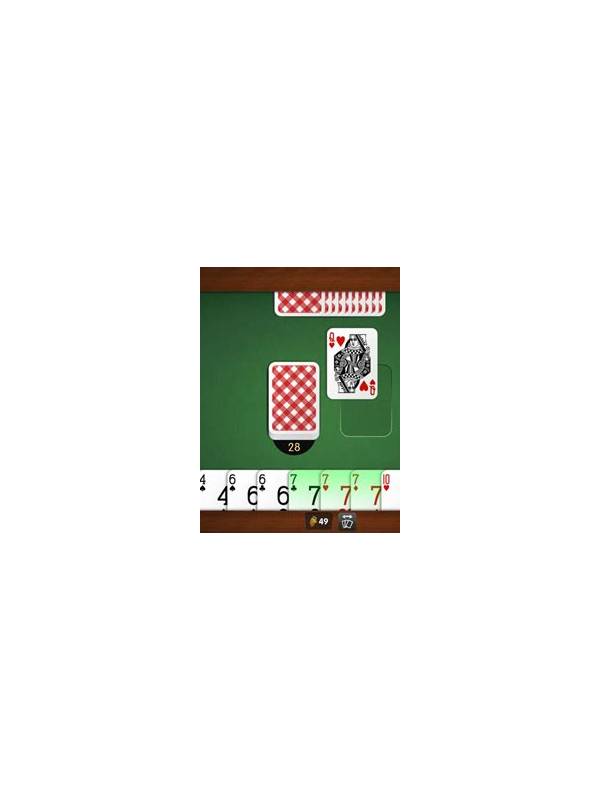
A useful practice exercise is to pause at one decision and compare two possible discards without changing the rest of the hand. Players often review only what they did, then judge it by the result. Comparing alternatives keeps attention on information, structure, and risk.
Choose a completed hand or a practice position. Record the cards you held, the visible discards, the format, and the turn number. Hide later information if possible. Select the discard you actually made and one plausible alternative. Do not choose an absurd move just to make your original decision look good; the comparison should involve two actions a careful player might consider.
For each discard, write what remains protected, what route becomes less available, and which cards could improve the hand. Count high-value loose cards and identify any required structure that is still missing. Then note the assumptions behind each choice. One discard may rely on a flexible route, while the other may preserve a nearly complete group. Stating the assumptions makes the trade-off visible.
Now review what information each move would reveal or preserve. Removing a card can change what you learn from the next draw and from later discards. A route that looks attractive may be difficult to evaluate because its key cards are hidden. Do not treat a later successful draw as proof that its earlier discard was best; evaluate whether the route was justified at the time.
Give both options a process score from one to five for legality, flexibility, cost reduction, and clarity. The numbers are not a scientific measure. They simply force you to examine the same categories for both choices. Add one sentence explaining which factor mattered most.
Repeat the exercise with several positions. Over time, patterns appear: perhaps you release flexible cards too early, protect pairs too long, or ignore the cost of high cards. The goal is not to memorize a perfect move. It is to build a reliable comparison habit that remains useful when the next hand offers unfamiliar information.
You can make the exercise more challenging by removing the result entirely. Ask another player to give you only the position and visible discards, then make both choices before seeing what happened. Later, compare your reasoning with the actual continuation. The result is interesting, but the written reasons are the real practice material because they show whether your choice was supported by the information available.
Keep the exercise focused on one decision. Reviewing too many branches at once can hide the central trade-off and make the notes difficult to revisit. One clear comparison repeated often is enough to improve the quality of future choices.