Rummy How-To: Build a Decision Log Without Recording Private Details
Review notes are useful when they describe decisions rather than personal or account information. You can learn from a session without recording usernames, screenshots, transaction details, or anything that could identify another player.
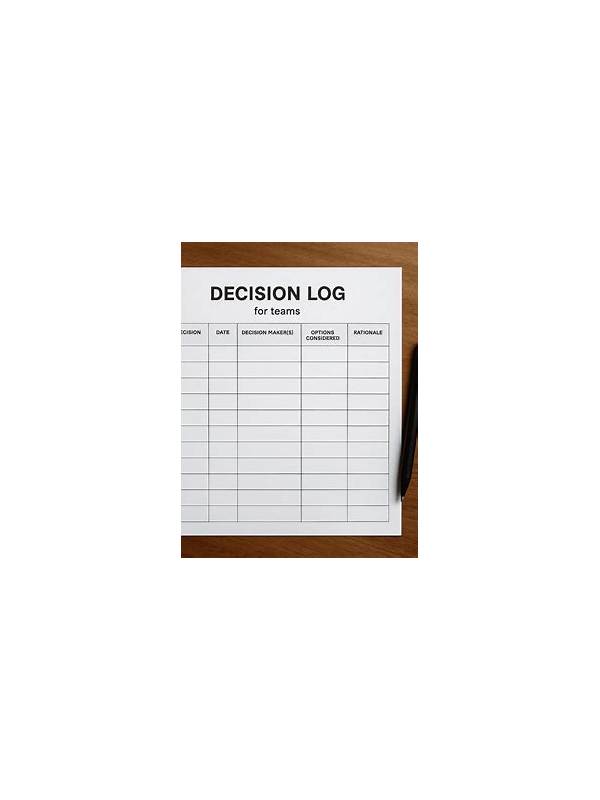
Use a simple template with four fields: situation, choice, reason, and later evidence. “Situation” can say that you held a pair and an open-ended connector near the middle of a round. “Choice” records what you drew or discarded. “Reason” captures the main factor, such as lower penalty cost or greater flexibility. “Later evidence” says whether the plan improved, failed, or remained unresolved.
Write notes after the hand, not while attention is needed at the table. Keep each entry short. A handful of accurate entries is more useful than a detailed transcript you will never reread. If you play on a shared device, store notes in a private, locked location or use a paper method that does not include sensitive details.
Avoid judging the choice only by its result. A sound decision can lose, and a weak decision can work by chance. Ask whether the reason was supported by the information available at the time. If the choice was rushed, record that as part of the situation rather than disguising it as a strategy lesson.
At the end of a week, group entries by decision type: drawing from the discard pile, releasing high-value cards, changing plans, or stopping a session. Look for one recurring pattern and choose one small adjustment. Do not attempt to fix every pattern at once.
Remove identifying details from examples. Write “opponent took a nearby rank” instead of a screen name, and “payment prompt appeared” instead of an account number or reference code. Never save passwords or one-time codes in a strategy journal.
The best decision log is brief, private, and honest about uncertainty. It turns experience into reviewable evidence while preserving the privacy and security of everyone involved.
Keep the log focused on choices you can influence. You cannot control the shuffle, hidden cards, or a temporary connection problem. You can control whether you checked the rules, compared two routes, respected a stopping point, and protected your account. Over time, those repeated behaviors are the most reliable material for improvement. If a note includes a disagreement, describe the rule question and resolution without naming people or attaching private conversations. That keeps review useful without creating a second privacy problem. Private notes should remain private at every stage.