Rummy Safety Guide: Set a Clear Stop Signal Before Playing
A stop signal is a condition decided before a rummy session that tells you to pause or leave. It is useful because decisions made while tired, frustrated, or excited are often less consistent than decisions made calmly. A stop signal is not a prediction about the result; it is a boundary for the session.
Start with time. Choose an end time and a reminder that is easy to notice. If a round is in progress, finish it only if doing so is comfortable and does not conflict with the platform’s rules. Do not let “one more round” quietly turn a planned session into an open-ended one. If you regularly ignore time limits, shorten the next session and use a stronger reminder.
Add an attention signal. Examples include rereading the same rule repeatedly, missing ordinary turn information, or making a discard without being able to explain it. These signs do not mean you are incapable of playing. They indicate that rest may produce a better decision environment than continued practice.
If money is involved, decide the financial boundary separately from the time boundary. Use only an amount you can afford to lose, and never treat a deposit, bonus, or previous loss as a reason to exceed it. Once the limit is reached, stop. Do not borrow, chase, or move money from essential expenses. Check local laws and the platform’s age and access requirements before using real-money features.
Mood is another practical signal. Irritation after a loss is normal, but an urge to recover immediately can change your choices. A useful rule is to take a fixed break after a frustrating round and return only if the original plan still feels acceptable. If the urge remains intense, end the session instead.
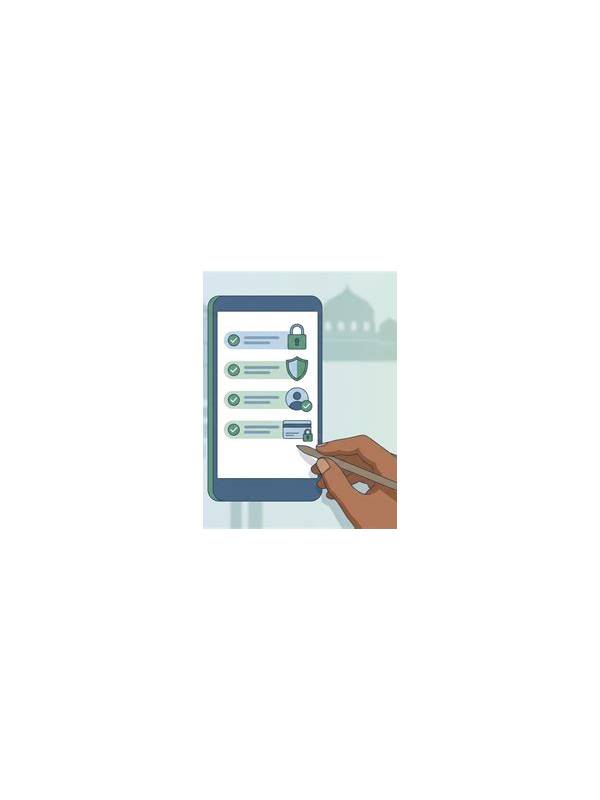
Write the signals in a visible place: “time alarm,” “two rushed decisions,” “budget limit,” and “playing to recover.” Tell a trusted person if that would help you keep the boundary. Responsible play is easier when stopping is treated as a normal part of the plan rather than as an admission of failure. The best signal is the one you can recognize early and follow without negotiation.
Review the signals on a day when you are not playing. If one is vague, replace it with an observable behavior. “Feeling bad” is difficult to measure, while “checking the balance repeatedly” is clear. A boundary should be easy to recognize and follow without a fresh argument with yourself.