Rummy FAQ: When Is a Draw Useful Without a Meld?
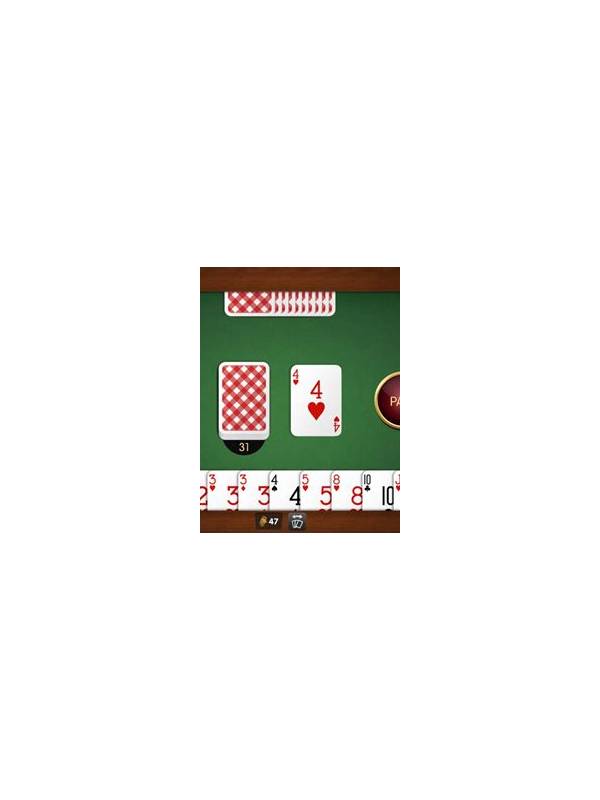
A neutral draw is a draw that does not complete a group but improves your understanding or preserves several reasonable plans. It is useful when the hand is unclear and choosing a narrow route would be premature. The card may be connected to more than one possible sequence, may reduce an awkward high card, or may simply give you information about which plan to abandon.
Neutral does not mean unimportant. A draw can be strategically useful even when it produces no visible meld. Suppose you hold two possible sequence starts and a pair that could become a set. A new card that connects to one route but does not complete it may tell you where to concentrate. It also changes which cards are now safe to release. The improvement is measured by better choices, not only by the number of completed groups.
To judge a neutral draw, ask three questions. Does it give the card a clear job? Does it keep at least one fallback route alive? Does it reduce the number of cards that have no connection? If the answer to all three is no, the draw may be interesting but not useful. Do not keep a card merely because it could theoretically help.
Neutral draws are common early in a hand, when there is not enough information to commit. They are less valuable near the end, when each turn should move toward a legal declaration. In the late phase, a card that leaves the hand unchanged may cost more than it offers. Timing therefore matters as much as the card itself.
Use neutral draws to avoid panic. When no card immediately solves the hand, choose the option that preserves clarity, then reassess after the next visible change. This method does not make uncertain cards safe, but it prevents a single speculative idea from controlling the entire hand.
The term is also useful in post-game analysis. Mark draws that did not complete a group, then ask whether they improved the next decision. A draw that gave you a cleaner discard or clarified which route to drop may have been better than a flashy card that created two competing plans. Keep the lesson specific: “I needed more information before committing” is more useful than “the draw was bad.” Over time, this distinction makes it easier to stay patient during ordinary periods of uncertainty.