Rummy How-To: Use a Four-Question Discard Review
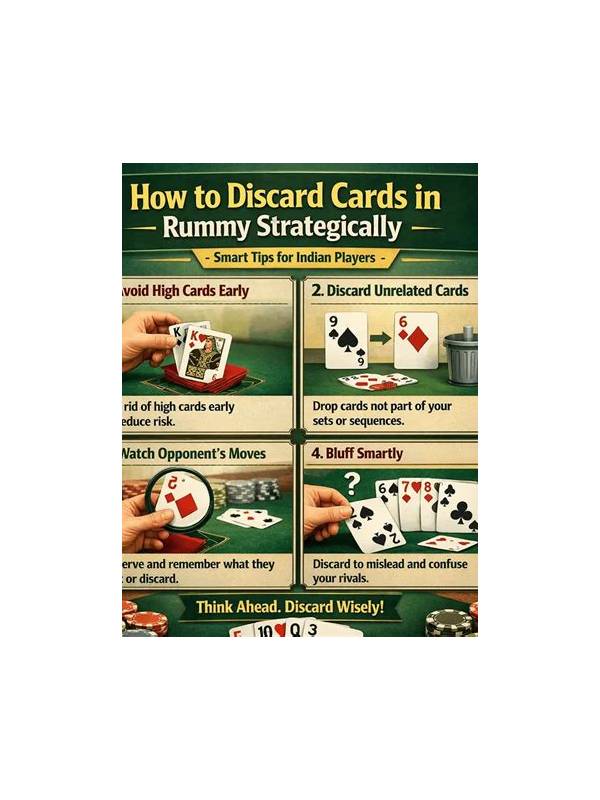
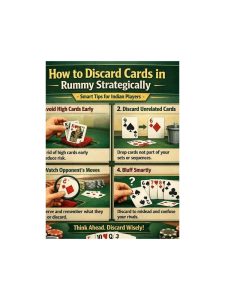
A discard is both a hand decision and an information decision. Before confirming it, run four questions: What is this card doing? What replaces its job? What does it leave behind? What information does it reveal? The review takes seconds once practiced and helps separate a safe release from an impulsive one.
Question one is the current job. Is the card part of a sequence, a set possibility, a bridge, or no realistic group? Do not judge the card by position in your sorted hand. A card that looks loose may be connecting two routes, while a pair can be doing nothing useful. Name the role plainly.
Question two is replacement. If you discard the card, can another card take over the same role? A role with several substitutes is easier to release than a role held by one unique connector. If the card has no role, replacement is irrelevant and point value becomes more important. This question exposes hidden dependence before the card leaves.
Question three is the remainder. After the discard, can you describe the next likely task? Look for high-point singles, groups needing exact cards, and a fallback route. A discard that makes the hand simpler is often preferable to one that creates a beautiful but narrow arrangement. Check that no card is being counted in two groups.
Question four is information. Taking or releasing an open card can tell others something about your route. This does not mean hiding every intention; it means ensuring the gain is worth the signal. Also consider whether the discarded card could obviously improve another player’s visible plan. The information test should inform the choice, not create paranoia.
Use the questions in order and stop when the answer is clear. In a fast format, reduce them to role, replacement, remainder, signal. If a discard still feels uncertain, choose the candidate with the lower point and connection cost, then mark the decision for later review. A consistent process matters more than perfect prediction. Every review gives you a clearer record of how your plans actually work. You can practice the sequence with open hands away from a live table. Pause before each discard and write four short answers. Over time, remove the writing but keep the order. The habit is valuable because it catches different errors than a post-game score review: role confusion, untested replacement assumptions, messy remainder, and unnecessary information exposure.