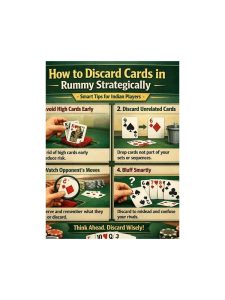
Rummy Guide: Track the Shape of Your Hand

Many rummy decisions become easier when you stop asking whether each individual card is useful and start asking what shape the whole hand has. A hand can contain several attractive pairs yet still lack a dependable route to a valid declaration. A shape check is a short inventory of groups, loose cards, and flexible cards before you choose the next discard.
Begin by separating cards into three labels: confirmed groups, developing groups, and unassigned cards. A confirmed group already meets the relevant sequence or set requirement for the format you are playing. A developing group has a clear connection, such as two adjacent cards of one suit, but needs help. Unassigned cards have no immediate partner. This simple separation prevents a pair from looking as valuable as a completed sequence.
Next, count how many cards are doing double duty. A middle card may fit a sequence on either side, while a joker may support several plans. Mark these cards mentally as flexible rather than treating every possible use as real progress. The hand is less stable when one card is required by two competing groups. Your next draw should ideally reduce that competition.
Compare two routes before discarding. Route A might preserve a connected sequence and release a high, isolated card. Route B might keep a promising pair but leave several expensive cards untouched. Ask which route creates a complete group sooner and which one leaves fewer points exposed if the needed card never arrives. The answer is often different from the route that looks most exciting.
Repeat the check after a meaningful draw, not after every nervous thought. Rummy involves uncertainty, so a useful plan should survive an ordinary unhelpful card. If the shape has not improved after several turns, downgrade speculative groups and choose a release based on risk and flexibility. The goal is not to predict the next card perfectly. It is to keep the hand understandable, adaptable, and capable of reaching a legal finish. Before acting, also consider what an opponent could infer from your discard. You do not need to hide every useful card, but avoid giving away a card that obviously completes a common route when another release is comparable. This external check should be secondary to building your own hand. A clear shape combines internal progress with sensible awareness of the table.
Keep the review practical by using the same labels each time. Consistent labels make hands easier to compare and reveal whether your decisions are improving the structure. If a group remains “developing” for too long, that label is useful evidence in itself. It tells you to reassess rather than quietly upgrading hope into confidence.