Rummy How-To: Rebuild a Hand After a Bad Draw
An unhelpful draw can make a rummy hand feel worse than it is. The danger is not the card itself but the impulse to keep every earlier commitment and wait for a rescue. Rebuilding means accepting the new information, identifying what still works, and releasing a route that has become too expensive.
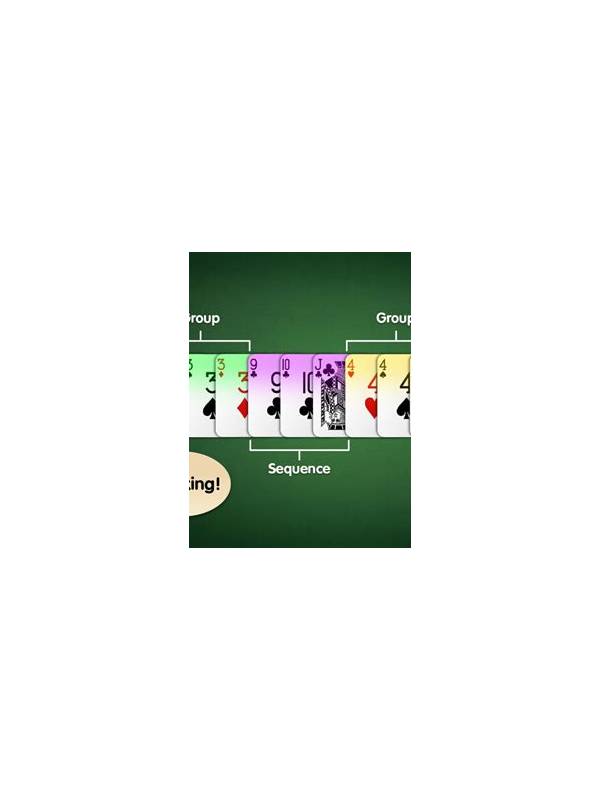
Start by putting the new card beside the hand without forcing it into a group. Re-sort the cards into complete groups, promising connections, and isolated cards. This prevents the latest draw from receiving special treatment merely because it is new. If it does not improve a route or lower risk, it may be the next discard.
Next, choose one short-term objective. You might aim to secure an essential sequence, reduce the highest exposed points, or create a pair with several possible extensions. A small objective gives the next turn a purpose. Do not attempt to rebuild the entire hand in one move; that usually leads to retaining too many speculative cards.
Look for commitments that are no longer supported. A pair that needed one of two cards may now be competing with a stronger sequence. A high card kept for a set may become a liability when related cards are visible in the discard pile. Release the weakest commitment first, even if you have held it for many turns. Time already spent cannot improve its future odds.
After the discard, make a brief snapshot: what is complete, what is developing, and what card would improve the chosen objective? This snapshot keeps the next decision independent from disappointment. A bad draw does not require a dramatic move. It calls for a calm reset, a smaller target, and a willingness to let the hand take a different shape. Do not use a bad draw as evidence that the game is against you. Random outcomes can interrupt a good route without invalidating the method used to choose it. Record the practical lesson instead: perhaps the route needed too many exact cards, or perhaps the discard should have happened sooner. Rebuilding is a skill of adjustment, not a reaction to imagined control.
If the hand is still confusing, simplify it visually. Put completed groups together, place the best developing route next, and move all loose cards to one side. The rearrangement does not change the cards, but it reduces mental clutter. From there, choose the next discard using the new layout. A clear view often reveals that one card is carrying much less value than you first assumed.