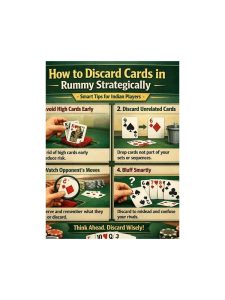
Rummy Comparison: Keep a Pair or Release a High Card
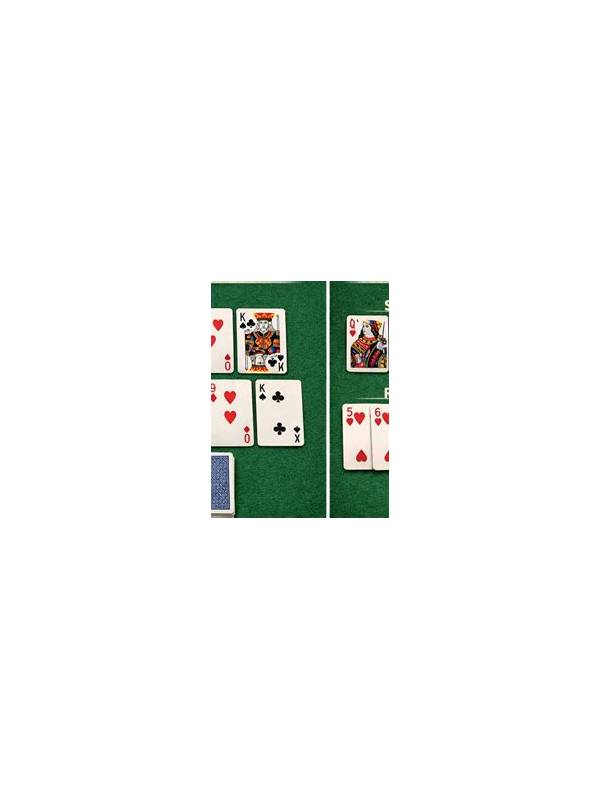
A pair often looks more promising than a high isolated card, but retaining it is not automatically correct. The pair may need one exact match, while the high card may join a sequence in several ways. Comparing them requires measuring how each card supports a legal finish and what happens if the needed help never arrives.
Begin with the pair. Can it form a set under the rules, and how many matching cards remain realistically available? If one matching card is already visible in a discard pile, the route may be weaker than its appearance suggests. Also check whether the pair can be separated without damaging an essential sequence. A pair that competes with a stronger group deserves less protection.
Now inspect the high card. Is it connected to another card in its suit? Does it have two natural neighbours, or is it sitting alone at an edge? A high card in a developing sequence can be worth keeping for one or two turns, especially if releasing it would leave the hand with only speculative pairs. A truly isolated high card is usually more urgent to evaluate because its penalty and opportunity cost are both visible.
Timing matters. Early in a hand, both routes may deserve a trial. Later, the route with fewer exact requirements generally wins. If the pair has survived several turns without improvement, set a review trigger. Do not keep it merely because it has been kept already.
When uncertain, choose the card that leaves the hand easiest to repair. This often means retaining the card with more natural connections and discarding the one whose value depends on a single event. The comparison is not pair versus high card in the abstract. It is a choice between two futures, and the better future is the one with a credible next step. You can make the comparison more concrete by imagining the next two turns. Which card is more likely to receive help, and which discard leaves a useful response to an unhelpful draw? This small forecast does not require exact probabilities. It simply exposes whether the pair is a genuine project or a comfortable object you are keeping out of habit.
Also compare the effect on your information. A pair may be easy to recognise but tell you little about what to do next, while a connected card may preserve several responses. If the two choices have similar completion value, prefer the one that keeps the next decision clearer. Clarity is a practical resource because it reduces forced moves when the following draw is ordinary.