Indian Rummy FAQ: Is a Pair Always Worth Keeping?
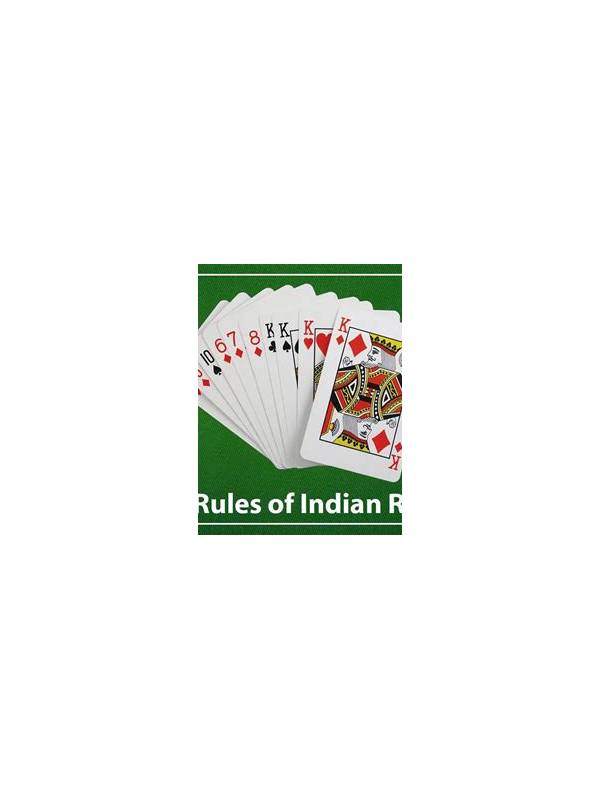
A pair looks promising because one matching card could turn it into a set. That does not mean every pair should be protected throughout a hand. The right question is not whether the pair is complete now, but whether keeping it gives you a realistic improvement without blocking a better plan.
Start with the pair’s point value. A pair of high cards can become a valuable set, yet it can also create a large penalty if the matching card never arrives. A low pair is less dangerous, but it still occupies two slots that might support a sequence. Treat point value as a risk indicator rather than a complete decision rule.
Next, inspect flexibility. A pair whose cards also connect to nearby cards in the same suit may support more than one route. A pair of separated high cards with no sequence potential is narrower. Keep narrow pairs only when the matching card is plausible and the rest of your hand already has a clear structure.
Timing matters too. Early in a hand, you have more turns to test a pair. Later, the cost of waiting rises because your remaining decisions must produce a valid arrangement quickly. Set a personal checkpoint: after several turns without progress, compare the pair with your highest-risk unconnected card. If the pair has not gained a second route, releasing it may be sensible.
Jokers change the calculation. A joker can help complete a set, but using it there may be less valuable than using it in a required sequence. Do not reserve a joker for a pair merely because the result looks tidy. Check which placement satisfies the hand’s structural requirements first.
Finally, remember that a pair is evidence, not a promise. Keep it when it fits your broader plan, carries manageable risk, and has improved recently. Release it when it is expensive, narrow, and preventing better combinations. This approach turns pairs from automatic “keepers” into flexible tools that must earn their place.
When reviewing a pair, describe its current job in one sentence. “This pair is waiting for a set card” is clearer than “this pair feels promising.” If the sentence remains unchanged after several turns, the pair has not earned additional protection. Compare it fairly with a singleton or incomplete sequence. This wording also makes post-game analysis easier because you can see whether the pair was kept for evidence or simply because it had been in your hand for a long time.