How to Explain Rummy Rules to a New Player
Explaining rummy to a new player can become confusing if every exception is presented at once. A better lesson uses layers. Start with the goal, then demonstrate one turn, and only afterward add the details needed for valid groups and scoring.
First explain the objective in plain language: arrange the cards into groups allowed by the format and finish with a valid declaration. Say that the exact requirements can vary, so the player should read the official rules for the table they are joining. This prevents a beginner from treating one variation as universal.
Next show the turn cycle. A player draws from the available source, considers the hand, and discards one card, unless the format specifies another sequence. Demonstrate the cycle with a small example using visible cards. Avoid discussing strategy until the learner understands what changes after each draw and discard.
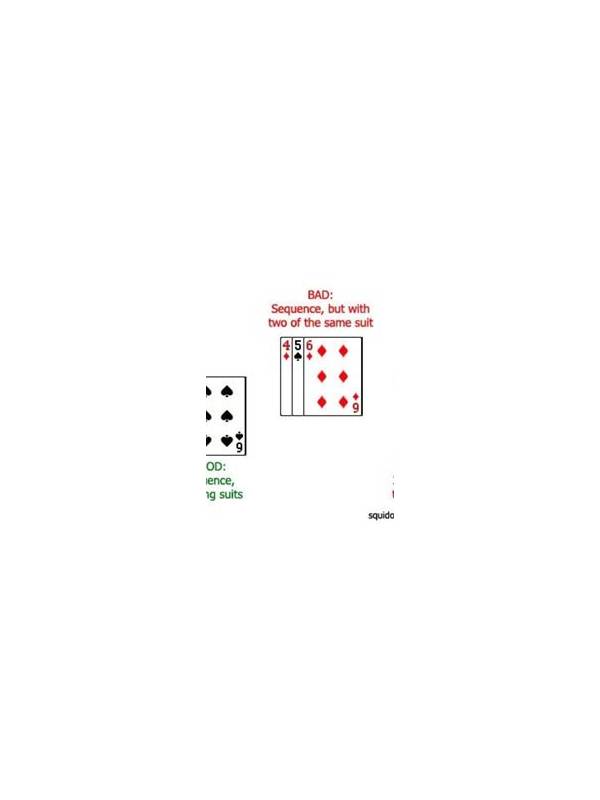
Then introduce the main group types. Explain a sequence as consecutive cards of the same suit and a set as cards of the same rank, subject to the rules in use. Use one valid and one invalid example. The invalid example is especially helpful because beginners often assume matching ranks or nearby numbers are enough by themselves.
Only after that should you discuss jokers, scoring, and declaration checks. Explain that a joker may substitute for a card under the local rules, but its placement does not remove the need to satisfy required structures. Encourage the learner to verify the format rather than memorize a general shortcut.
Keep the first practice session low pressure. Ask the learner to describe their intended groups before each discard. Correct the reasoning gently and focus on one concept at a time. Questions such as “What is this card helping?” teach more than simply naming the best move.
Finish with a short checklist: know the goal, draw and discard in order, check each group, verify joker use, and confirm the declaration. A clear first lesson builds confidence without suggesting that every hand has a guaranteed pattern.
Use ordinary language before introducing specialist terms. Once the learner understands that a group must satisfy a rule, words such as “pure sequence” or “impure sequence” have a place. Invite the learner to explain a possible group back to you; their explanation reveals misunderstandings earlier than a correct-looking discard. Keep examples separate from promises about winning. The first goal is accurate recognition and safe participation, while strategy develops through practice and review.