Rummy FAQ: Is the Fastest Declaration Always Best?
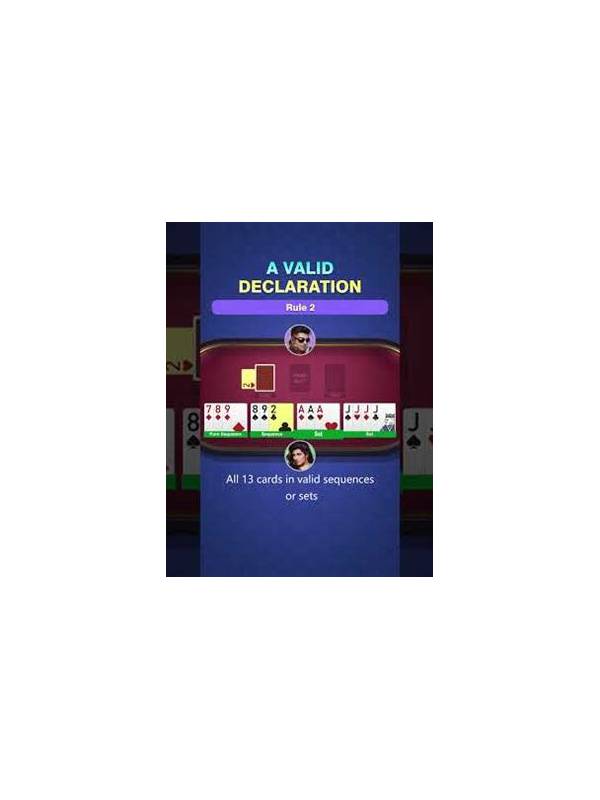
A fast declaration can feel impressive, especially when other players are still arranging their cards. But speed is not the same as quality. The strongest declaration is the one that is legal, complete, and supported by a quick verification routine. Rushing can turn a promising hand into an avoidable invalid declaration.
Before declaring, check the required structures in the order set by the format. Confirm the pure sequence first if one is required. Then verify that every remaining card belongs to a legal sequence or set and that jokers are being used where the rules permit. Do not rely only on the visual neatness of your arrangement; inspect suit and rank relationships.
Speed matters when it reduces hesitation after the hand is genuinely ready. It does not matter when it replaces checking. A player who declares quickly but misses a missing pure sequence has not gained an advantage from speed. A player who takes a few seconds to verify may be making the more efficient decision because the check prevents a costly error.
There is also a difference between fast play and early commitment. You can arrange cards quickly without deciding to declare. Keep those actions separate. First build a clear layout, then run the rule check, then choose the declaration control. This sequence is easier to repeat than acting on the first moment the cards look promising.
After a hand, review the declaration process regardless of the result. If it was valid, note what made verification easy. If it failed, identify the exact check that was skipped. Avoid using the final score as the only measure because a lucky opponent or an unusual draw can hide process problems.
Fast declarations are valuable when they are the result of clear organization and rule knowledge. They are risky when they are used to escape uncertainty. Practice the check until it becomes brief, but never make it optional.
If you are playing a new format, slow down further for the first few hands and read the declaration rules before starting. Different tables can use different requirements for sequences, sets, jokers, or scoring. Save a copy of the official rules or use the in-app help page, rather than relying on a friend’s memory. Confidence should come from a verified hand, not from how quickly the button is available.
Finally, remember that an early legal declaration is not automatically a better learning result than a later one. Note whether you recognized the hand’s structure clearly and whether the check was complete. If you are practicing, value a careful legal declaration over a rushed one that happened to work. Consistent verification is the skill that remains useful when the next hand is less cooperative.