Rummy FAQ: How Do You Compare Two Nearly Equal Discards?
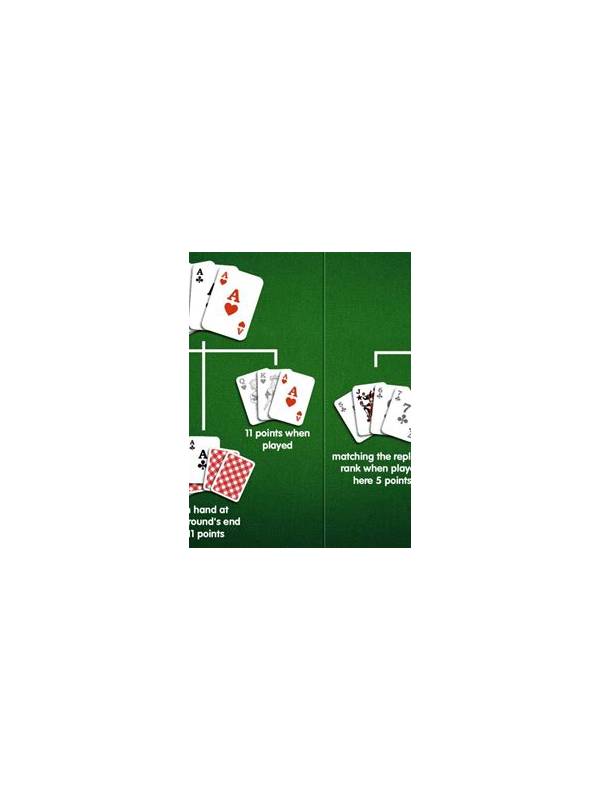
Two discards can be nearly equal when both are unmatched, both have moderate point value, or each supports a different incomplete route. The goal is not to find a perfect answer hidden in the future. It is to compare the visible costs and choose consistently.
Start by checking mandatory structure. Does either card belong to a confirmed natural sequence or another requirement that the format demands? If so, protect that requirement unless the alternative has a clear and immediate solution. Next, compare completion paths. A card that needs one of several realistic cards is generally more resilient than one that needs one exact card, but only if the expected wait is acceptable.
Then inspect replacement cost. If you release card A, what useful route disappears? If you release card B, what disappears? A card with a small current role may still be worth keeping if replacing it later would be difficult. Conversely, a visually attractive card may be cheap to release when its route has several alternatives.
Consider point exposure and fallback. If both routes fail, which choice leaves fewer expensive unmatched cards? Which discard leaves a hand that is easier to inspect next turn? Simplicity is a legitimate tie-breaker because a clear hand makes later errors less likely.
Finally, consider information risk without inventing certainty. A discard that obviously completes a common sequence for another player may deserve caution, but a guess about another hand should not dominate stronger evidence. Use observed cards and official rules, not imagined reactions.
If the comparison remains tied, use a preselected rule: release the higher-point card, preserve the natural connection, or choose the card with the shorter deadline. Apply the same rule across similar situations, then review it over several hands. A tie-breaker is useful because it prevents a close decision from being controlled by frustration, fear, or the previous result.
The later outcome cannot prove the choice was right or wrong by itself. Review whether the comparison used the information available then. Consistent reasoning matters more than constructing a perfect explanation after the missing card appears. A close comparison is also a good place to practice accepting uncertainty. You are choosing the option with the better current case, not claiming knowledge of the next draw. That distinction makes it easier to review the decision honestly when chance produces an unexpected result.