Rummy Safety: Keep a Pause Rule for Unexpected Prompts
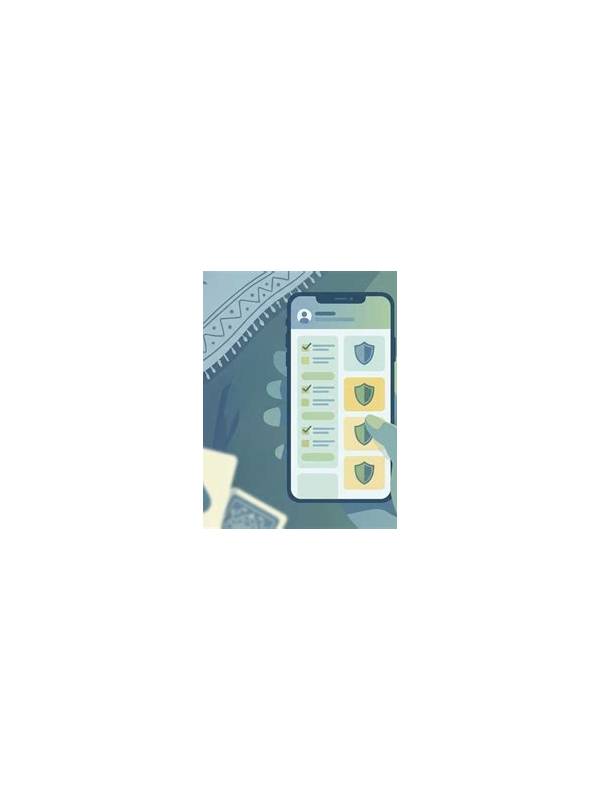
Unexpected prompts can arrive while you are focused on a hand: a new offer, an account notice, a request for extra details, or a message that claims immediate action is required. Treating every interruption as part of the game makes errors more likely. A pause rule gives you permission to stop before responding.
Choose the rule before playing. For example, you might decide that any prompt asking for a password, payment detail, one-time code, or external download requires leaving the table and verifying it through the platform’s normal account area. A prompt that changes the stakes or redirects you to another site deserves the same pause. Do not let urgency decide for you.
When a prompt appears, preserve your current state if the platform allows it. Note the hand or table without copying sensitive information. Read the wording carefully and check whether the notice is part of the known interface. Do not click several buttons simply to make the interruption disappear, especially when one button could confirm a purchase or enrollment.
Use an independent route for verification. Open the service through a bookmark or manually entered address rather than a link in the message. Check the account notification center or help documentation. If the message asks you to share a code with another person, do not share it. Legitimate support processes should not require you to expose authentication secrets in a chat.
There is also a game-safety benefit. A prompt can break concentration and cause a rushed discard even when it is harmless. If you cannot confirm that the interruption is safe, end the session and return later. Losing one hand is cheaper than making a decision while distracted or authorizing something you did not intend.
Afterward, review what appeared and whether the pause rule worked. Update notification settings only through trusted account controls, and keep records of suspicious wording without retaining private credentials. The best safety routine is easy to remember: pause, preserve, verify independently, and continue only when the situation is clear.
If you share a device, be especially cautious about prompts that appear after another person has used the browser. Sign out of accounts when appropriate, avoid saving payment information on a shared profile, and check the address bar before entering anything. These habits are separate from card skill, but they protect the conditions in which you play. Attention should return to the hand only after the account context is trustworthy.