Rummy Safety: Keep Session Notes Free of Private Details
This check is most useful when applied consistently. It creates a clear record of the choice, keeps attention on evidence, and leaves room to revise the plan when the hand changes. Keep the result separate from the reasoning so an unlucky card does not erase a sound process. This also keeps future notes concise, safer, and easier to review.
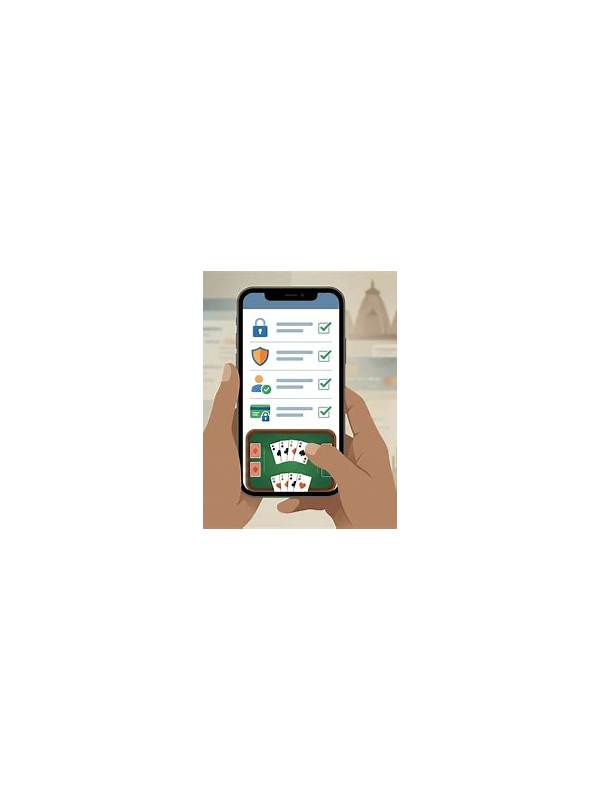
Players sometimes keep notes about practice sessions, but a strategy record should contain only what is needed for learning. Card patterns, decision reasons, and timing observations can be useful. Passwords, one-time codes, payment details, identity documents, and private messages do not belong in the same notebook or file.
Use general labels for people and tables. “Opponent A” and “practice table” are usually enough to review a decision. Avoid copying usernames, email addresses, phone numbers, or screenshots that expose account details. If a screenshot is essential for a technical report, use the platform’s protected reporting path and remove unrelated information where possible.
Keep notes short and review them periodically. Delete material that no longer supports a learning goal, especially if it contains more context than you need. Store a personal record in a protected location and do not share it through public chats or unverified links.
Be careful with advice that asks for access. No strategy discussion requires your password, security code, or payment confirmation. If someone claims to represent a service, verify the request through the service’s known support channel rather than replying to an unexpected message.
Privacy is part of a good session routine. A clean, minimal note can improve your play without creating a second risk around the account or people involved.
A useful practice is to write the decision in one neutral sentence before moving on. Name the evidence, the benefit, and the cost rather than describing the result. Then choose a small review point for the next turn. This keeps the idea practical and prevents it from becoming a slogan. If new information changes the hand, update the sentence instead of defending the old version. In a later review, ask whether the original evidence was available, whether the alternative was realistic, and whether the move left a reasonable way to recover. This process builds judgment gradually: it rewards clear observation, accepts uncertainty, and keeps luck from becoming the only explanation. The goal is not to make every decision certain. It is to make each decision understandable enough that the next one can improve.