Rummy Decision Logs That Improve Your Next Session
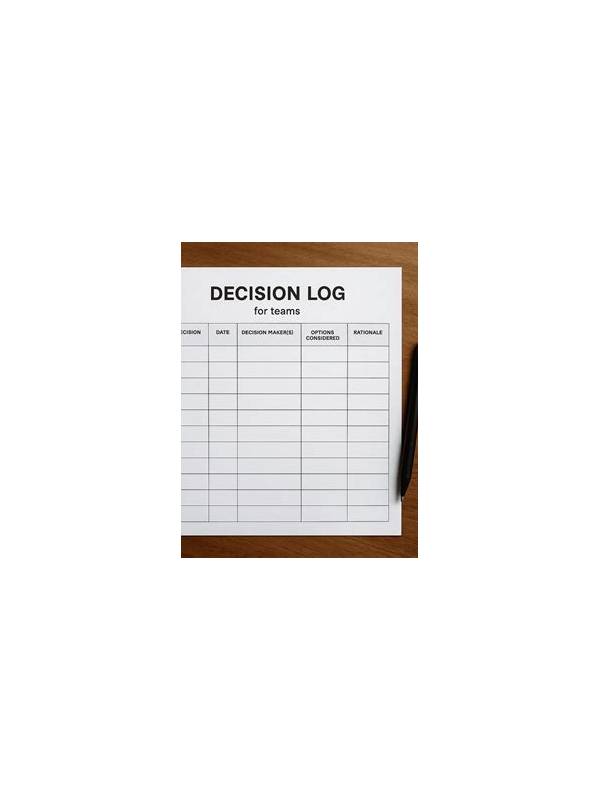
A decision log is more useful than a list of wins and losses. Results are affected by the deal, while choices can be examined and improved. You need only a few notes after a hand: the key decision, the information available, the option selected, and what you would check next time.
Record decisions at moments when the hand changed. Examples include choosing between the stock and discard pile, breaking a promising connection, or keeping a high card for one more turn. Do not write down every draw. A short record is easier to maintain and highlights choices that deserve attention.
Describe the position without blaming yourself. “I kept the card because it connected two possible sequences” is more useful than “I played badly.” Neutral language preserves the reasoning that led to the move. You can then ask whether the reasoning matched the rules, the visible information, and the risk you intended to accept.
Separate process from outcome. A sound decision can lose, and a weak decision can happen to win. Review whether you considered enough alternatives and whether you noticed the relevant discard. If the same process appears repeatedly in both wins and losses, it is a better learning target than one unlucky result.
At the end of several sessions, group notes by pattern. You may find that you hold speculative sequences too long, forget to check table rules, or rush after an opponent draws from the discard pile. Choose one pattern for the next practice session. Too many goals at once make improvement difficult to measure.
Keep the log private and brief. Its purpose is reflection, not proof that every move can be justified. A five-minute review with honest notes can gradually improve awareness while preserving the simple enjoyment of the game.
You can add one confidence label: clear, uncertain, or rushed. This records the quality of the process without pretending that the result proves anything. Revisit uncertain decisions after several hands, when you have enough examples to see whether the issue is a rule misunderstanding, a visual error, or a strategic habit. That distinction makes practice more focused. Avoid changing your evaluation because a later draw made the decision look foolish. At review time, use only the information that was available when you acted. This keeps the log fair and helps you identify genuine improvements instead of learning hindsight. The goal is a repeatable process that works under uncertainty. Over time, the log should become shorter, not longer. Keep only notes that reveal a repeated pattern or a useful question for future practice.