Rummy Strategy: Separate Card Need From Card Curiosity
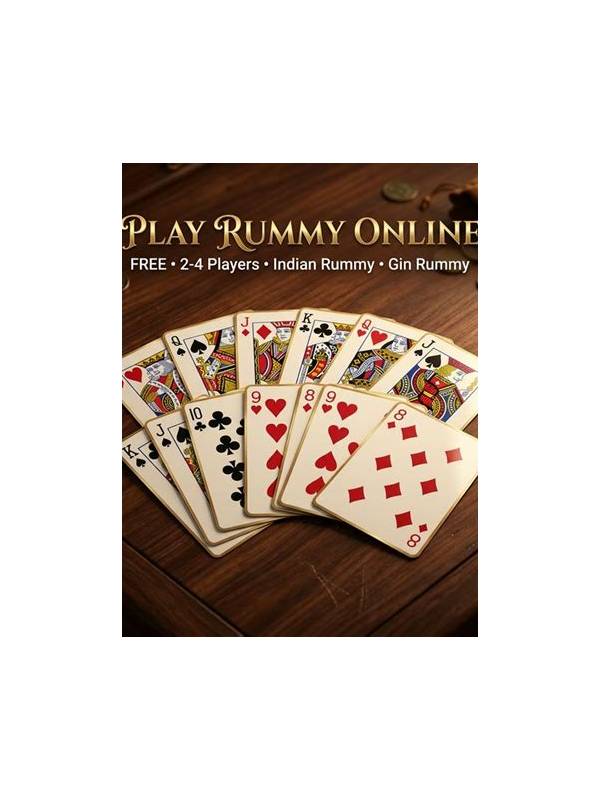
An interesting card is not necessarily a needed card. A needed card completes or materially improves a route that fits the rules. An interesting card merely creates a new possibility. Confusing the two can make a hand feel active while its structure remains unchanged.
For each candidate draw, describe the exact improvement. Does it complete a sequence, reduce a high-value isolated card, create a second legal route, or protect a required group? If you cannot name the improvement, classify the card as curious rather than needed. Curiosity can be useful during practice, but it should receive a smaller budget during a serious round.
Next check whether the route survives a miss. A needed card may still be too expensive if missing it leaves no fallback. Conversely, a card that does not complete anything may be valuable when it improves several routes at once. The distinction is about function, not just immediate completion.
Set a limit on curiosity. For example, allow one draw to explore a new connection, then return to the main route unless the evidence improves. This keeps experimentation deliberate. If the table uses real stakes or meaningful entry costs, use an even stricter limit and keep spending decisions separate from card decisions.
After the hand, list one card you called “needed” and test whether it actually changed the legal structure. This review reveals whether your labels are precise. Over time, separating need from curiosity makes draws easier to explain and reduces the temptation to chase every attractive possibility.
You can also apply the distinction to discards. A card may be interesting because it could help an opponent, but that alone does not make it the best card to keep. Compare the opponent concern with your own route, point exposure, and alternatives. Evidence should inform the decision rather than turn every visible card into a threat.
In a study journal, record the label you used before the result. Later, check whether “needed” meant completion, flexibility, or fear of missing out. Clarifying the label is often the most valuable part of the exercise.
The distinction becomes especially useful when a promising card also carries a high point cost. Name both facts before acting.
Curiosity is still valuable in low-pressure practice. Give it a defined experiment, then return to the hand’s main objective.