Rummy Hand Anchors: When to Keep One Idea Central
An anchor is a group or relationship that currently gives your hand its clearest direction. It might be a nearly complete sequence, a strong set candidate, or a low-cost structure that keeps several cards connected. An anchor is not a promise. It is a reference point for deciding what deserves protection.
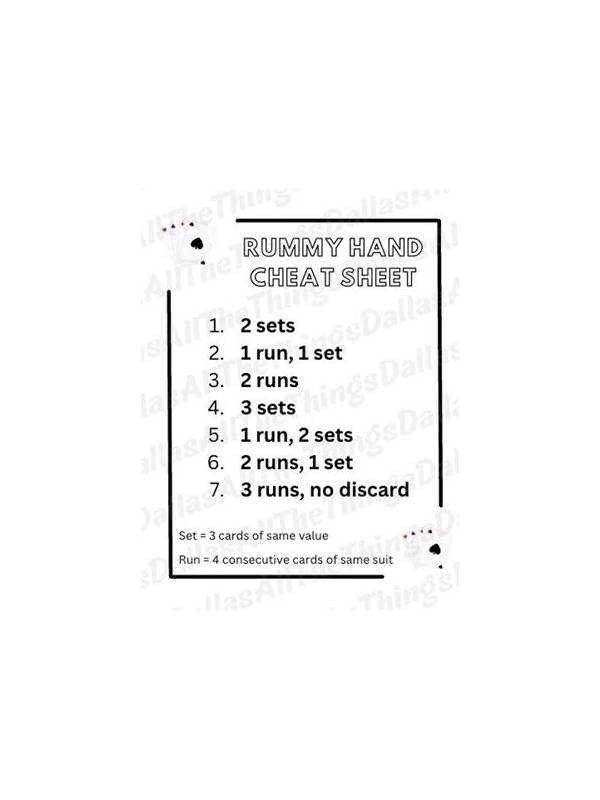
Choose an anchor using evidence. Count how many cards already support it, how many realistic additions could complete it, and what happens if it fails. A single attractive pair is usually a weaker anchor than a group with multiple compatible connections. Consider the variant’s legal requirements before deciding which structure matters most.
Protecting an anchor does not mean keeping every related card forever. Ask whether each card contributes directly or only feels emotionally connected. If a card supports two routes, it may deserve time. If it blocks a clearer group and has no backup purpose, it may be the correct discard even though it once looked promising.
Reassess after every meaningful draw. A new card can strengthen the anchor, leave it unchanged, or make another route more practical. Use a simple status: supported, uncertain, or abandoned. This prevents the sunk-cost error of protecting an old idea because you have already spent several turns on it.
Keep one primary anchor and, when useful, one secondary route. More than that can make the hand difficult to read. The secondary route should have a clear reason to exist, such as reducing the cost of abandoning the primary plan. If neither route has evidence, simplify instead of collecting more hopes.
During review, write when the anchor changed and why. The best lesson may not be “always keep a sequence.” It may be “change anchors when the evidence changes.” That habit makes your decisions flexible without making them random. An anchor is also a communication tool for your own notes. Instead of writing “I liked these cards,” write “the anchor had two direct connections and one backup.” That description can be tested later. If the anchor is a completed group, ask whether protecting it still helps the remaining requirements. A completed group may provide stability, but it should not distract you from an unfinished legal condition. Keep the central idea useful, not sacred. A good anchor reduces noise while leaving room for a better-supported plan to take over. A good anchor reduces noise while leaving room for a better-supported plan to take over. A useful anchor is a guide for attention, not a prediction of the next card.