A Rummy Study Plan Built Around One Question at a Time
Rummy improvement can stall when every hand is judged by the same vague question: “Why did I lose?” A better study plan gives each short session one question. Narrow questions make it easier to notice evidence, test a habit, and decide whether the lesson should be kept or changed.
Choose a question that can be observed during play. “Can I check all groups before declaring?” is measurable. “Can I become much better?” is not. Other useful questions include whether you release speculative pairs at a planned point, whether you inspect the discard pile before drawing, or whether you notice a high-value card without a role.
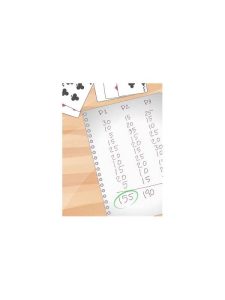
Set a small sample. Three to five practice hands may be enough for one session. The goal is not to prove a strategy works forever; it is to see whether you can apply the process consistently. Before each hand, write the question in one line. Afterward, mark yes, partly, or no, followed by one sentence about what made the action difficult.
Keep outcome and process in separate columns. You may complete a hand while ignoring the study question, or lose while applying it correctly. Recording both prevents the result from overpowering the lesson. If the question concerns declaration checking, the key measure is whether you checked the required groups, not whether the declaration happened to succeed.
At the end of the session, choose one adjustment. It could be a shorter checklist, a reminder placed beside the device, or a rule for when a speculative hold expires. Avoid adding five new rules at once. Too many instructions compete for attention and make it difficult to know what helped.
Repeat the same question on another day before replacing it. A single session can be affected by tiredness, interruptions, or unusual hands. If the habit becomes easy, increase the difficulty slightly, such as applying the check under a normal timer. If it remains difficult, simplify the action. A good study plan treats learning as a series of small experiments, with clear observations and modest expectations.
Keep the plan separate from any financial decision. Practice can use free or offline material, and a new technique does not need to be tested in a paid setting. Give yourself time to understand the rule before judging whether the habit is useful. Consistent study is more valuable than an intense session followed by a long gap.