Rummy Joker Visibility: Evaluate the Information It Reveals
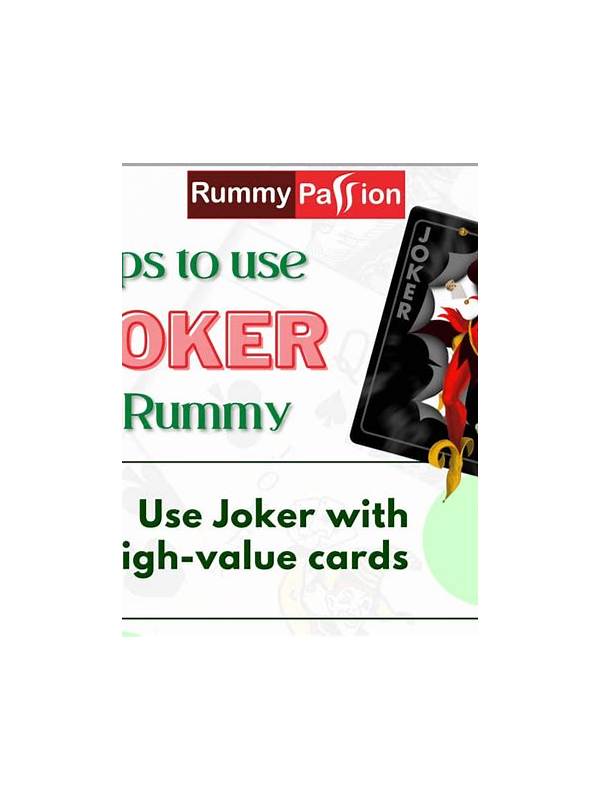
A joker is valuable because it can complete several shapes, but its appearance also changes what everyone knows. Seeing a joker in the discard area may reveal less than a natural card, yet it still affects which routes seem attractive and which discards become easier to read.
First check the table rules. Some formats distinguish printed and wild jokers, and the treatment of a joker can affect valid groups or scoring. Never rely on a familiar rule from another game. If the explanation is unclear, use a practice mode or consult the published rules before making a commitment.
When you hold a joker, list its possible roles. It may complete a required sequence, support a set, or remain a flexible reserve. Do not assign it everywhere at once. Choose the role that solves the most important structural problem while keeping the rest of the hand simple. A joker used to rescue a weak route may leave too much deadwood elsewhere.
When another player discards or ignores a joker, avoid overreading the action. They may already have enough flexibility, or the card may not fit their route. Use the event as one piece of information and continue watching subsequent choices. A visible joker should influence risk, not create certainty.
Before committing, compare immediate completion with future flexibility. If using the joker creates a valid required group and reduces several points of deadwood, the benefit is clear. If it merely makes an attractive but narrow sequence possible, keeping it available may be better.
Review joker decisions by asking whether the card solved a real constraint. This keeps the analysis practical. A joker is a tool, not a promise that the hand will work itself out.
If the rules permit a joker in several groups, write down the opportunity cost before using it. Which group becomes impossible without the joker? Which remaining cards become easier to discard? The answer may favor a less obvious placement because it leaves the hand with a cleaner shape.
In review, distinguish a joker that improved structure from one that merely delayed a difficult discard. Both can be legal, but they teach different lessons. The first solved a constraint; the second may have preserved uncertainty that needed to be addressed sooner. This distinction helps you use wild cards deliberately instead of treating them as automatic permission to postpone every difficult choice. A flexible card is strongest when it serves a defined purpose.