
Rummy Guide: Turn a Near Sequence Into a Decision Tree
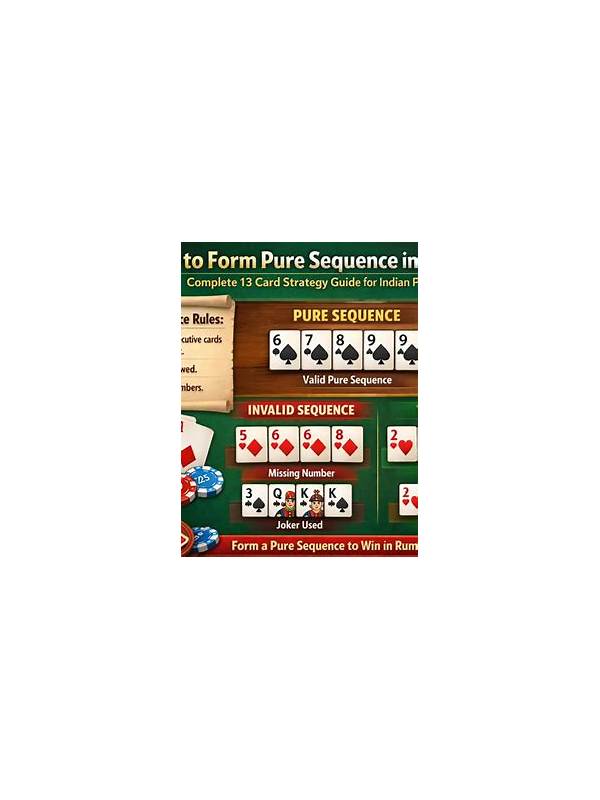
A near sequence can feel more valuable than it really is. Two connected cards look productive, especially when they are in the same suit, but the missing card may be difficult to obtain. Instead of asking whether the combination looks promising, build a small decision tree that describes what must happen for it to become useful.
Start by listing the exact cards that could improve the group. A middle pair may accept a card on either side, while an edge pair may accept only one neighboring rank. If a joker or wild card is relevant under the table’s rules, include that possibility separately. This simple list reveals whether the route is broad or narrow. It also stops a player from treating all pairs as equally flexible.
Next, check what the route contributes if it stays incomplete. A pair in the same suit may still connect to another card you draw, but until then it is not a confirmed sequence. Compare it with the rest of your hand. If you already have a pure sequence and a strong set route, the near sequence may be a reasonable secondary project. If it is your only serious structure, you may need to keep it temporarily while searching for a backup.
Set a review point before you draw. The review point might be after one more turn, after a card from a particular area appears, or when holding the pair would force you to keep a high singleton. At that point, ask whether the route gained evidence. If not, release it and use the space for a more adaptable structure. A deadline is not pessimism; it is protection against paying an invisible waiting cost.
Finally, update the tree after every meaningful card. A new neighbor can widen the route, while seeing several needed cards discarded can narrow it. Keep the decision tree small enough to use at the table: possible improvements, current contribution, and exit condition. This method lets you appreciate a near sequence without allowing its visual appeal to control the entire hand. The same tree works for a near set. Identify the ranks that could complete it, check whether using one card would damage a sequence, and set a point at which the pair must be released. Comparing a sequence and a set by their missing-card lists is more reliable than choosing the group that looks more familiar. Whichever route you keep, make sure the rest of the hand still has a credible path to validity.


