
Rummy How-To: Make a Mistake Log That Improves Decisions
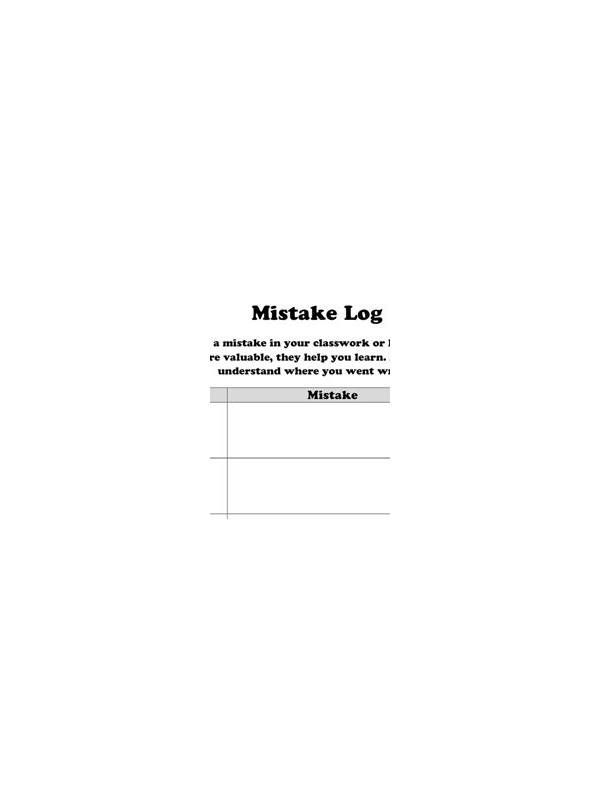
A mistake log is useful only when it describes decisions clearly enough to change future behavior. Writing “I played badly” creates frustration but no instruction. A better log records the situation, the choice, the reason you gave at the time, and one alternative you could test later. The aim is learning, not self-criticism.
Keep the log short. After a hand, write the turn number or phase, the important cards, and the decision point. You do not need a complete reconstruction of every discard. For example: “Middle of hand; held a high singleton while waiting for one exact card; ignored a flexible pair.” This captures the structural issue without turning review into a second game.
Separate outcome from process. A decision can be sensible even when the hand loses, and a risky decision can work by luck. Note what information was available when you acted. If you chose a narrow route because it was the only path to a required pure sequence, that is different from choosing it because the cards looked attractive. This distinction keeps the review fair and makes patterns easier to see.
Add one adjustment that is narrow enough to practice. “Be more careful” is too broad. “After two missed draws, compare the route with the highest-risk singleton” is testable. Other useful adjustments include sorting confirmed groups before speculative pairs, naming a discard before drawing, or checking the declaration requirements before submitting. Choose one rule for the next session rather than collecting a long list.
Review the log after several hands, not after every emotional moment. Look for recurring categories: rushed clicks, late plan changes, missed safety checks, or failure to protect a pure sequence. Select the most common category and design a small drill for it. A neutral log turns memory into evidence. Over time, it shows whether a new habit is actually reducing errors, while keeping the focus on decisions you can control. Protect the log from becoming another source of pressure. Use neutral verbs such as held, chose, missed, checked, or switched. Avoid labels such as careless or foolish, which describe a person rather than a decision. If a mistake involved a rule, write the rule in plain language and practice recognizing it. If it involved timing, add a checkpoint. The best entry ends with an action you can perform, not a verdict about your ability. A useful review is specific enough that another player could understand the decision without needing to guess what you meant.


