
Rummy Comparison: Open-Ended and Closed-Ended Draws
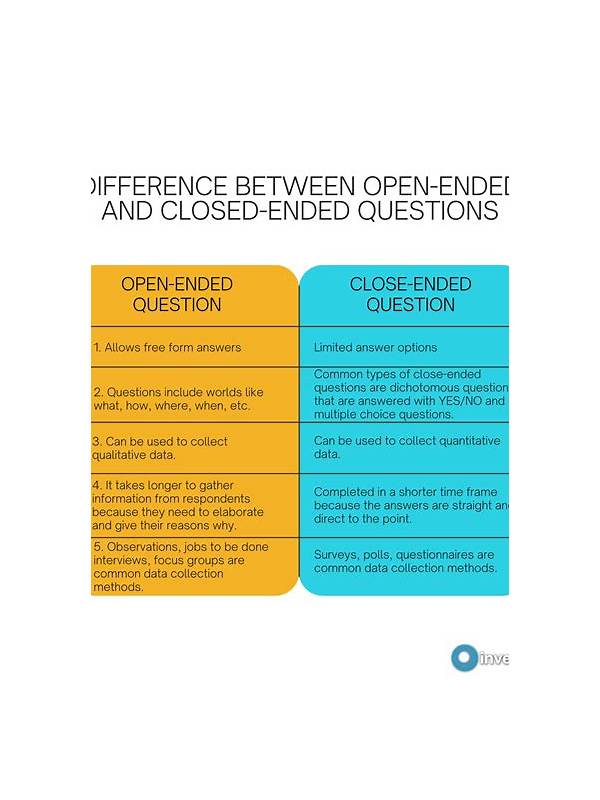
Not all unfinished sequences offer the same chance of improvement. An open-ended connection can usually be completed in more than one direction, while a closed-ended connection depends on a specific card at an edge. Understanding the difference helps explain why two combinations of equal length may deserve different treatment.
An open-ended example is a same-suit run such as five-six, which can usually welcome a four or a seven. It offers two broad routes, although the exact availability depends on the cards already seen and the rules. A closed-ended example is queen-king, which may need a ten to extend in one direction. It has less room and can remain stranded if the required card is unavailable.
The comparison is not simply about counting theoretical cards. A needed card may already be visible in the discard pile, held by another player, or needed for a second group in your own hand. Adjust the value of a connection according to evidence. A nominally open-ended pair with both useful extensions discarded may be weaker than a closed-ended pair whose needed card is still unseen and fits your overall plan.
Also compare the cost of keeping each structure. High cards create greater penalty exposure if the hand ends before completion. A narrow high-card connection should therefore face an earlier review than a low-card flexible one. A joker can change the calculation, but using it may remove flexibility elsewhere, so ask whether it is solving a real bottleneck.
When choosing between the two, prefer the connection that preserves multiple next moves and does not damage a confirmed group. If both are similar, keep the one with lower point exposure and discard the card that is least useful to the opponent. Reassess after each draw because the discard pile changes the practical odds.
This comparison is a decision aid, not a guarantee. Rummy still contains uncertainty. Its purpose is to make the cost of a narrow promise visible before you spend several turns protecting it.
The comparison also changes with table pace. At the beginning, an open connection can justify patience because many draws remain. Near the end, even an open connection may be too slow if both extensions are unlikely to appear. Count the turns you can reasonably expect and compare them with the number of missing cards. This keeps the distinction practical. Flexibility is valuable, but only when there is enough time to use it.


