
Rummy How-To: Create a Hand Snapshot for Interruptions
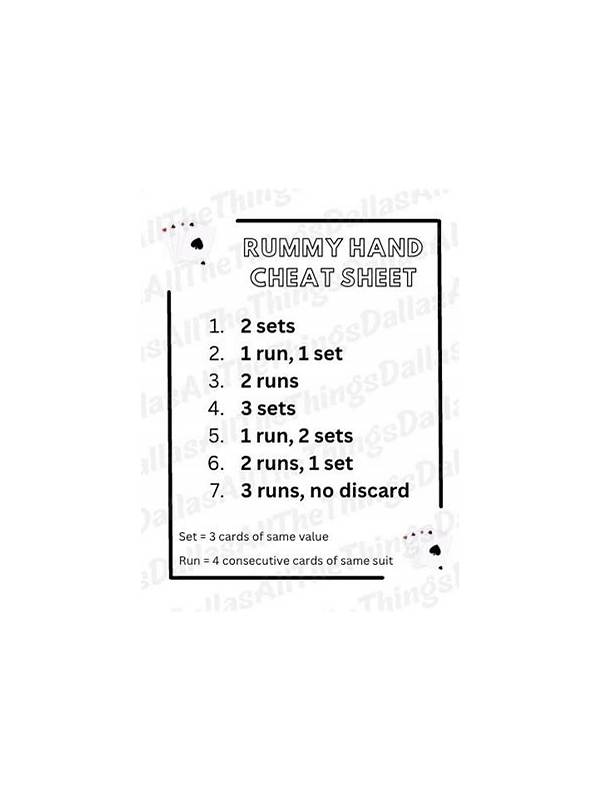
Interruptions can make a clear rummy hand feel unfamiliar when you return. A hand snapshot is a short record of structure, not a detailed transcript. It helps you recover your reasoning without rushing into the first available move.
Before stepping away, record the format and the current turn if the platform makes that information visible. Then write the hand in groups: confirmed melds, active possibilities, and cards with no current job. Mark any required structure, such as a pure sequence, so it remains the first priority after you return. Do not save sensitive account or payment information in the note.
Add one sentence describing your next decision. For example, you might write, “Compare the middle connector with the high singleton after the next draw.” This is more useful than writing “play carefully” because it preserves a concrete question. If an opponent has taken a relevant open-pile card, record that as a fact without guessing what it means.
When you resume, verify the table state before relying on the snapshot. Check whose turn it is, whether the open pile changed, and whether the timer is active. If the hand advanced while you were away, discard the old plan and build a new snapshot. Never treat a note as more authoritative than the current table.
Use snapshots mainly for practice, learning, or sessions where interruptions are expected. In a fast live table, your priority is to follow the platform’s rules and avoid hurried actions. After the hand, compare your old snapshot with the final result. You may discover that the best lesson was not the card you missed but the assumption you failed to label as uncertain. A short, factual snapshot creates that learning opportunity while keeping the game record tidy.
For a physical deck, a compact card list is usually enough. If everyone agrees to a photograph, ensure it contains no private material and keep it for practice only. The best snapshot can be read in seconds. If an interruption lasts longer than expected, discard the old plan and reconstruct the hand from the current state. A note is a memory aid, never a substitute for checking whose turn it is. If the interruption involved a technical problem, record that separately from the hand analysis so a strategy lesson is not confused with a connection lesson. Avoid writing a full narrative about the interruption. A few facts and one next question are enough. Short notes are easier to verify and less likely to preserve an outdated assumption after the table has changed.


