Rummy How-To: Mark a Hand Before Switching Tables
Switching tables or pausing a session can break the mental picture of a hand. Before leaving, make a short snapshot that records structure rather than every thought. The goal is to return with enough context to make a calm next decision.
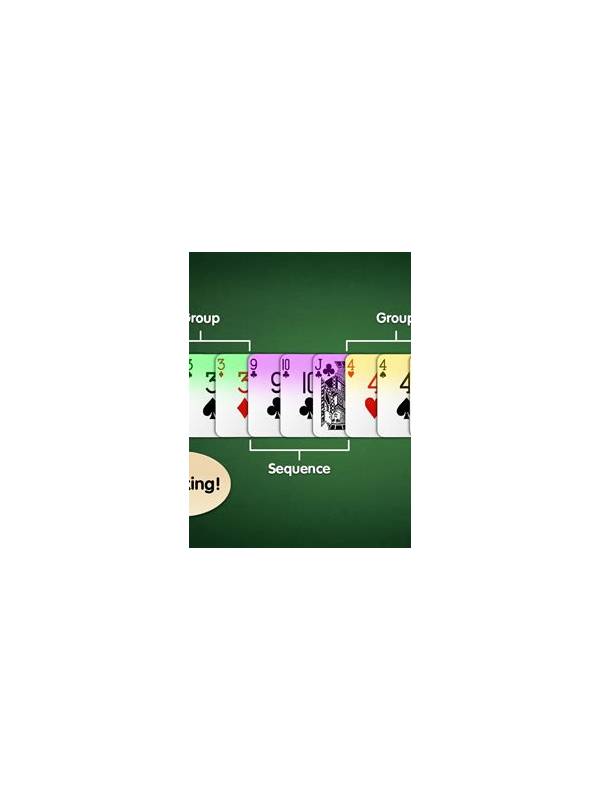
First, mark confirmed groups. Write or mentally note which cards already form legal sequences or sets under the table’s rules. Do not include a group merely because it looks attractive. This first step prevents you from rebuilding a stable part of the hand unnecessarily.
Second, mark the active route. Name the one unfinished group you are currently testing and list the realistic cards that could improve it. If there are two equal routes, record both and identify the cheaper one to continue. Avoid recording a long wish list that will be difficult to review later.
Third, mark release candidates. These are cards with no confirmed role, high points and no backup, or a plan that has already missed its deadline. A release candidate is not automatically the next discard; it is simply a card you should reassess before protecting stronger options.
Fourth, record the last change. Note the most recent draw, discard, or rule discovery that altered the hand. This detail is often more useful than a full replay because it reminds you why a card changed roles. If the table uses an open pile, note only the relevant visible information.
When you return, read the snapshot in order: confirmed groups, active route, release candidates, last change. Then verify the current rules and table state before acting. A new discard or a changed turn order may make part of the snapshot obsolete, so treat it as a starting point rather than an instruction.
Keep the note free of sensitive account details, payment information, or private identifiers. If the hand was played in a public place, use a neutral shorthand. The value of the routine is decision continuity, not a permanent record of personal data.
With practice, the snapshot can take less than a minute. It reduces the temptation to reorganize everything after an interruption and gives the next turn a clear question. A small, accurate marker is often more useful than a detailed but outdated explanation.
If the interruption lasts long enough for table information to change, discard the old assumptions. Keep the structural notes, but recheck visible cards, turn order, and the current pile when you return. The snapshot is meant to reduce memory load, not replace observation. Starting with a clean verification prevents a useful note from becoming a source of false confidence.