Rummy FAQ: How Do You Handle a Stalled Plan?
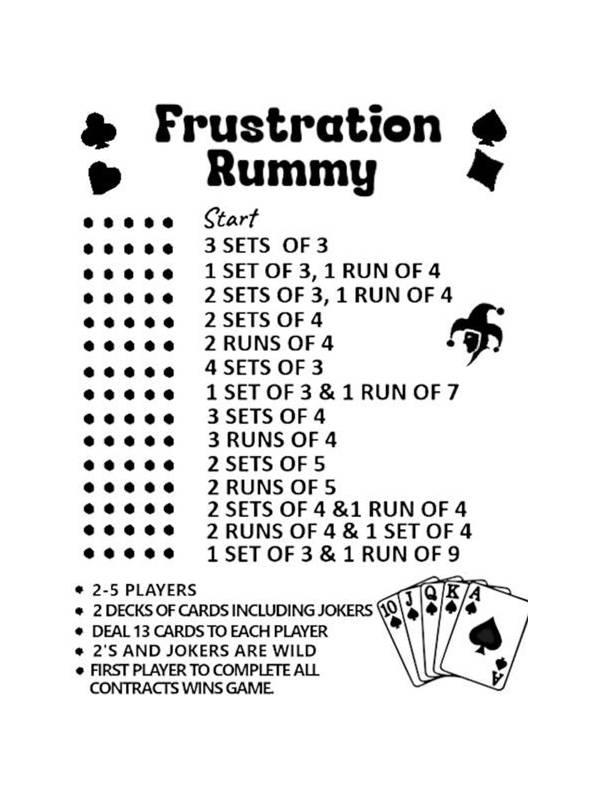
A plan is stalled when several turns have passed without improving its groups, yet the cards involved still feel too promising to release. The answer is not always to abandon it immediately. First identify why it is stalled, because a plan blocked by visible information is different from one blocked only by hope.
Ask how many exact cards can improve the plan. If the answer is one or two cards and those cards have already appeared in the discard pile, the route is narrow in a meaningful way. If several unseen cards could help, the plan may be viable but simply slower. Then ask whether the cards needed for improvement also help another route. A plan with shared improvements is less fragile than one that depends on one isolated card.
Check the cost of waiting. While you hold the stalled cards, are you carrying high points, missing a stronger group, or losing the ability to react to new information? A short wait can be reasonable when the hand remains flexible. Waiting becomes expensive when each turn removes alternatives. Set a deadline before emotion chooses one for you: for example, review the plan after the next draw or after one more complete turn cycle.
At the deadline, compare three choices. Keep the route unchanged if new evidence supports it and the waiting cost remains acceptable. Widen the route by moving one card into a broader group if that creates several improvement cards. Replace the route if the evidence is weak, the required cards are disappearing, or the hand now has a clearer structure elsewhere. Make the change deliberately rather than calling it a failure.
A stalled plan often teaches more after the round than during it. Record what made the route attractive, which clue should have changed your view, and whether your deadline was early or late. Do not judge the decision only by whether the missing card eventually appeared. A sound decision can lose, and a hopeful decision can succeed.
The main goal is to prevent a temporary idea from becoming a permanent obligation. With a visible deadline and a small set of diagnostic questions, you can give a promising route a fair chance while protecting the rest of the hand from endless waiting.
Use neutral language when recording the result. Write “the route had two useful improvements and one high-cost hold” rather than “I played badly.” Neutral notes preserve details that can be tested later. They also make it easier to notice whether the same stall comes from narrow cards, poor timing, or reluctance to release a favorite pair. A route that stalls is ordinary information about a hand, not a verdict about the player.