Rummy How-To: Sort a Hand by Evidence Strength
When a hand contains several possible groups, every card can start to feel equally important. Confidence labels create a temporary structure. Mark each card or group as confirmed, probable, or speculative, then let the labels guide how much protection it deserves.
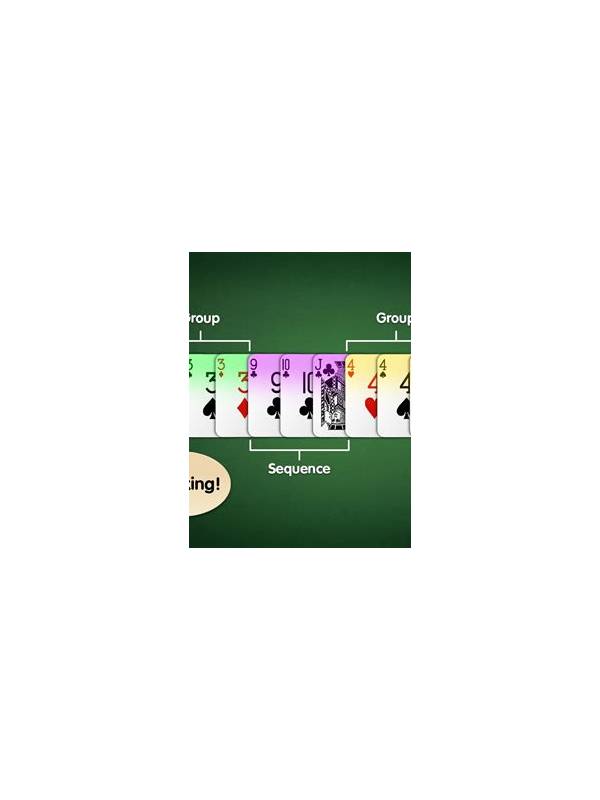
Confirmed means the group is legal under the table rules and does not need another card to function. A confirmed sequence or set should be protected unless breaking it clearly improves the entire hand. Probable means the route has a sensible shape and several realistic improvements, but it is not complete. Speculative means the route depends on a narrow draw, an uncertain interpretation, or a card that would need to serve two places at once.
Begin with the confirmed groups. This prevents you from breaking strong structure simply because an unformed route looks exciting. Next, list the probable groups and count their improvement cards. If two probable groups compete for one card, lower the confidence of both until you choose a role. Finally, identify speculative cards that are occupying space. They are not automatically bad, but they should have a review point and a clear reason for remaining in the hand.
Update labels after meaningful evidence, not after every tiny feeling. A draw that directly completes a group can move it from probable to confirmed. A relevant discard can weaken a speculative route. Several turns without progress may move a probable route down a level. The label describes current evidence; it is not a promise about the eventual result.
Labels are especially useful before a discard. Ask whether the candidate card belongs to a confirmed group, supports a probable route, or only feeds speculation. Then consider points and the information your discard gives away. Releasing a speculative card is often easier, but not if it is the only bridge between two probable routes. Make the exception explicit rather than letting it happen unconsciously.
After the round, compare your labels with what actually happened. If speculative routes repeatedly consumed your attention, lower the amount of time you give them. If you discarded probable connectors too early, examine whether you lacked a clear improvement count. Confidence labels turn vague intuition into a reviewable method, helping you preserve strong structure while remaining open to new evidence.
Use the labels to control attention, not to predict the winner. Confirmed groups deserve protection, probable groups deserve measured testing, and speculative groups deserve a deadline. If a card changes category, say why: a legal completion, a relevant discard, or a failed waiting period. That explanation is valuable because it shows whether your plan changed from evidence or from frustration. At the end of a round, review one label that moved correctly and one that stayed too high for too long.