Rummy Tips: Use a Two-Column Decision Note
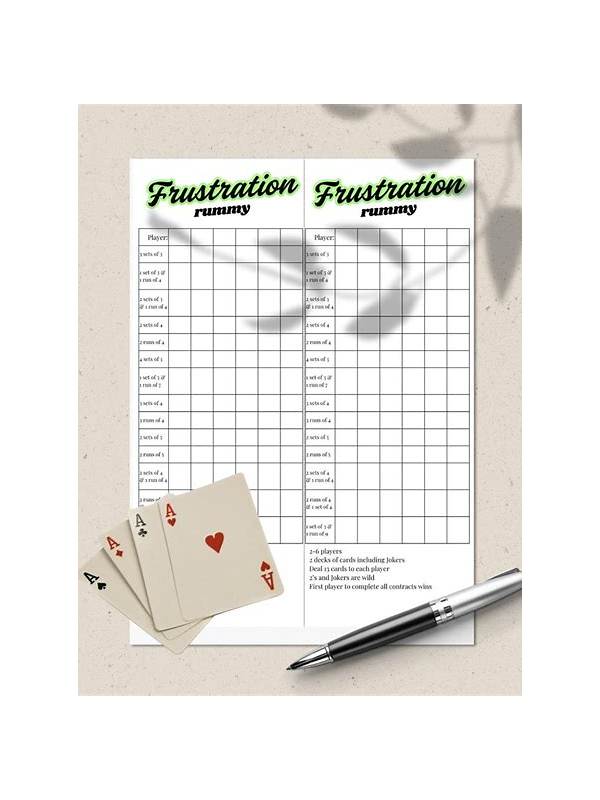
A two-column decision note is a small practice for clearer rummy thinking. In the first column, write the action and its reason. In the second, write the evidence that would make you reconsider. This turns a vague intention into a plan with an exit.
For example, the first column might say, “Keep the low pair because it has several possible connectors.” The second might say, “Reconsider after two unhelpful draws or if another route becomes confirmed.” The note does not predict the future. It identifies what you currently believe and the information that could challenge it.
Use the note for decisions that matter, not every minor click. It is especially helpful when choosing between a promising pair and an isolated high card, or when deciding whether a joker should remain flexible. Writing the reason makes your choice reviewable; writing the reconsideration condition prevents attachment.
Update the second column when the hand changes. New evidence may make the original condition irrelevant. If the pair gains a connector, its exit rule can change. If a key card becomes unavailable, the route may deserve immediate review. Keeping the note current is more important than preserving the original plan.
After the round, compare the note with the result. Did the evidence you named actually arrive? Did you ignore your own reconsideration condition? Was the condition too strict or too vague? These questions help improve the decision process without judging the hand only by whether it won.
The practice works on paper or in a simple private journal. Do not record account credentials, payment information, or other sensitive details. Keep the note short enough that it supports attention rather than becoming another distraction. A reason and an exit are often enough. A reconsideration condition is not a guarantee: when it occurs, pause and compare the hand again rather than following an automatic discard. The note is a prompt for reassessment.