Rummy FAQ: Should You Reveal a Plan Through the Discard?
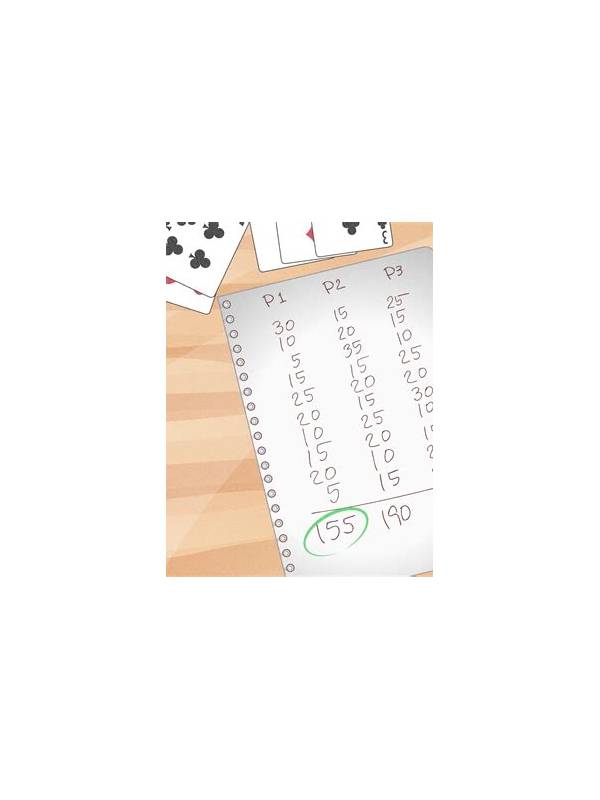
Every discard reveals something. The question is not whether you can remain invisible, but whether the card you give away creates more risk than the alternatives. A visible discard may show your suit, rank interest, or lack of interest in a route. It may also be the safest way to reduce a costly card and improve your own hand.
Start with your own structure. Never sacrifice a required pure sequence merely to hide information. A legal and improving hand is more important than trying to appear unpredictable. Compare candidate discards that have similar value for you. If one candidate is expensive and unrelated while another might complete a common sequence for an opponent, the first may be preferable even if it reveals less about your plan.
Context changes the calculation. Early in a hand, a single discard usually gives limited information because many routes remain possible. Later, a discard that matches a visible pattern may be more informative. If one player has repeatedly taken cards from a suit, think carefully before returning a nearby card. You still cannot know their complete hand, so treat this as a caution rather than a certainty.
Avoid dramatic concealment. Throwing away a useful card just to confuse another player can damage your own route more than it helps. Also avoid discarding a card you have not evaluated simply because it looks ordinary. The best privacy choice is usually the best ordinary choice after legality, improvement, and penalty have been checked.
When a visible discard is your only meaningful improvement, taking it may be correct even if it exposes your interest. Ask whether the card completes a structure, removes a dangerous card, or creates a genuine route. If it only makes a future possibility look attractive, keeping your intention private may not compensate for the weak improvement.
After the hand, note one discard that felt too revealing. Did it actually help another player, or did you only imagine that it might? This review keeps privacy decisions grounded in evidence. Strong play combines a sound hand plan with modest information awareness rather than attempting to control every inference at the table.
You can make this judgment easier by naming the alternatives aloud in practice: “This card improves me, this card is safer for the table, and this card is expensive.” The sentence keeps the decision comparative. It also exposes when you are protecting an imagined secret at the expense of a real improvement.