Rummy Guide: Compare Two Plans by Their Next Useful Card
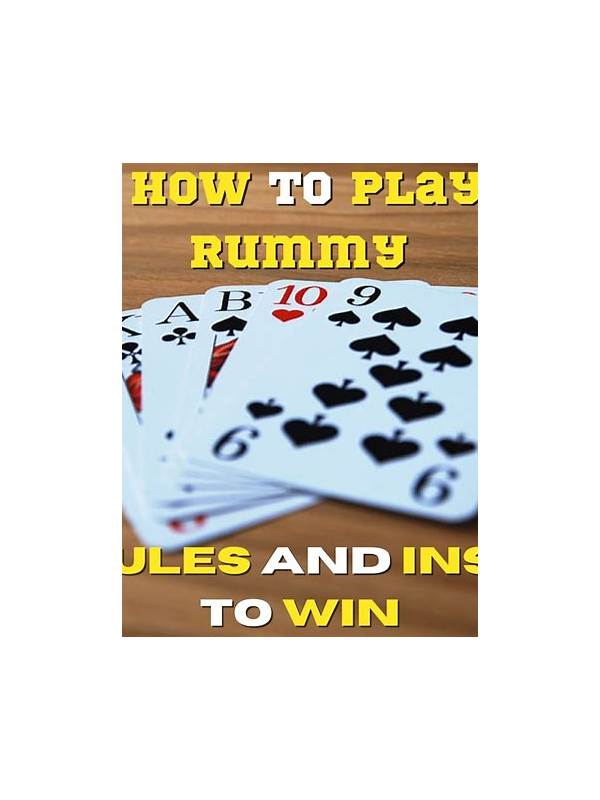
When a rummy hand appears to support two different combinations, it is tempting to choose the plan that looks most complete. That can be misleading. A nearly formed group may depend on one exact card, while a less attractive sequence may accept several cards. Comparing the next useful card for each plan gives you a clearer way to choose.
Start by writing down the two plans in plain language. For example, Plan A might be a three-card sequence that needs one neighbour, while Plan B might be a pair that can become a set if either of two ranks arrives. Do not count every card that looks vaguely related. Count only cards that would create a legal, useful combination under the rules of the format you are playing.
Next, consider how many copies could still be available. If you can see one needed card in your hand or in the discard pile, the practical number of outs is lower. This is not a guarantee of probability; it is simply a reminder that visible cards affect flexibility. A plan with several theoretical outs may be weaker than one with fewer but cleaner outs if those cards are already unlikely to be available.
Timing matters too. Early in a hand, you can keep a plan with a reasonable range of improvements because several draws remain. Late in a hand, waiting for one exact card may be too expensive. Ask how many turns you can spend before the plan needs to be abandoned. A useful card that arrives too late is not as useful as it looks on paper.
Finally, compare the cost of failure. If Plan A fails, perhaps its cards are high-value and difficult to replace. If Plan B fails, perhaps one card can be discarded without damaging the rest of the hand. Prefer the route that leaves a recoverable hand when the draw does not cooperate. This simple comparison combines outs, timing, and downside. It will not remove uncertainty, but it can make your choice deliberate instead of emotional. It also helps to make the comparison at the same level. Do not compare a complete sequence with an imaginary future set as if both were equal. Describe what each plan would look like after one successful draw and after one unsuccessful draw. The two scenarios expose hidden costs. A plan that improves dramatically but collapses completely may be less useful than a slower plan that preserves a sound fallback. When you practise, write the routes in a small table and revisit the choice after the hand.