Rummy FAQ: Can a Good Discard Still Be Dangerous?
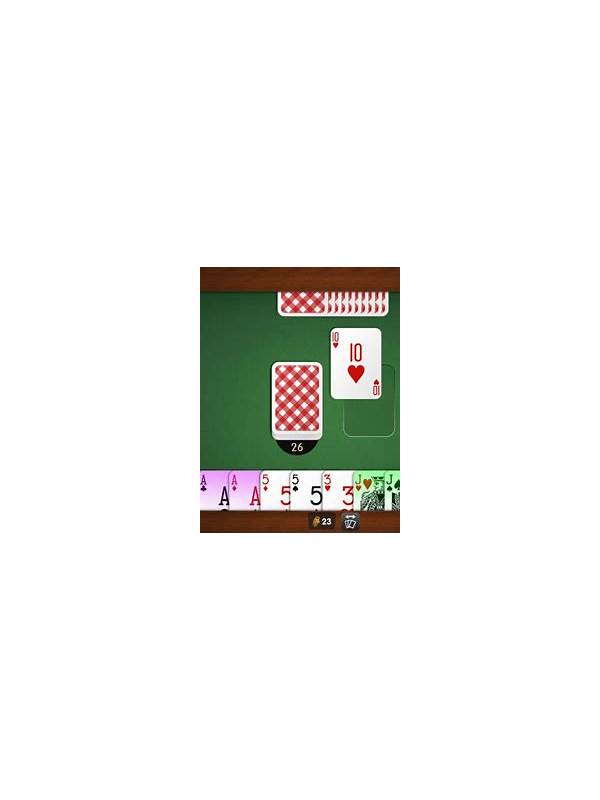
Yes. A good discard is not automatically a safe discard. It may reduce your points or simplify your layout while helping another player complete a combination. This does not mean you must avoid every card that could help someone; it means you should include information risk in the decision.
First, identify why the card is good for you. Perhaps it is a high-value loose card, a duplicate, or a connector that no longer fits your strongest plan. State that reason clearly. Then ask what another player could reasonably do with it. A card that completes an obvious sequence is more exposed than one that requires several unknown companions.
The visible discard history can provide context. If a suit or rank has been repeatedly taken, be cautious about releasing a nearby card that naturally supports it. If a card has been passed over several times, the risk may be lower, though not zero. Do not treat a player’s action as proof of their hand; use it as one signal among many.
Timing matters. Early discards often reveal less because everyone has many possible routes. Late discards can be more informative because hands are more developed and a single card may complete a narrow structure. On the other hand, keeping a dangerous high-value card late can create a large penalty. The right choice balances exposure against the cost of holding.
If two discards are similar, choose the one with the lower combination of personal risk and opponent usefulness. If one card materially improves your own hand, do not reject it merely because it might help someone. The aim is not to play invisibly; it is to avoid giving away a clear completion when a comparable alternative exists. Review the decision afterward using evidence, not the result alone. An opponent completing after your discard does not prove the discard was wrong, but it does provide information for future choices. Also remember that players may draw for reasons you cannot see. A card taken from the pile may be a decoy, a defensive choice, or part of a different format strategy. Avoid constructing a complete story from one action. Your responsibility is to make the best discard for your hand with the evidence available. If information risk becomes impossible to balance, prioritize legality and penalty control. A transparent but sound decision is better than a secretive decision that leaves your own hand weak. Review the action, not just the consequence, and keep your own hand’s legal progress at the centre of the decision.