Rummy Strategy: Mark the Moment Your Hand Changes Shape
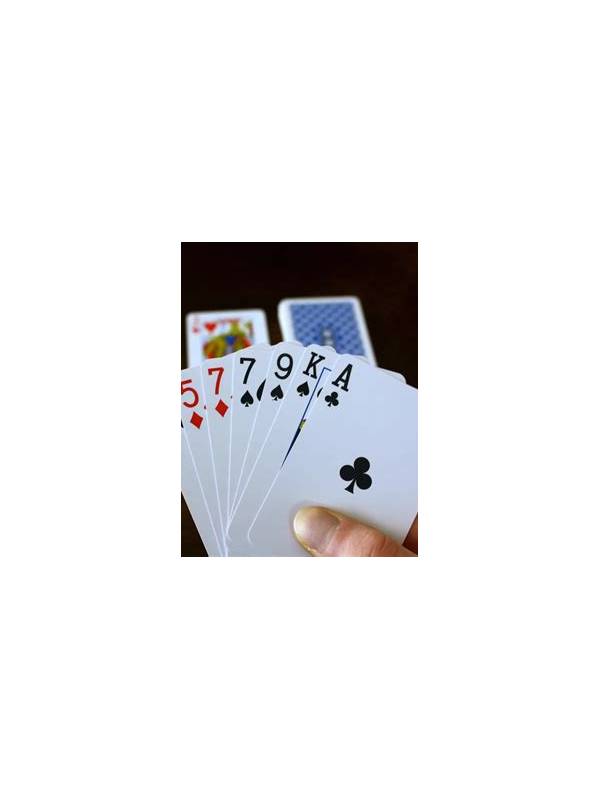
A rummy hand rarely improves in a straight line. One draw can turn a scattered collection into a promising sequence, while another can break the only route you were protecting. Strong players notice these shape changes instead of continuing to follow an old plan automatically. Think of the hand as a working model that must be updated, not as a story that must be defended. A new card is valuable partly because it changes what is reasonable to keep. Marking that change early prevents small errors from becoming a late crisis.
Define your current shape in plain language. You might have one fixed group, two connected cards, and several isolated cards. Or you might have two competing sequence routes and no secure set. The description does not need to be perfect. Its purpose is to give you a reference point before the next draw.
After each important card, ask what changed. Did the card create a group, improve two routes, remove a dangerous high card, or merely add another possibility? A meaningful change should alter your next discard priority. If it does not, the card may have had less value than it seemed.
Pay special attention to negative changes. Breaking a flexible bridge can leave two cards stranded. Taking a visible card may reveal a plan that now depends on one narrow completion. A missed draw can also reduce the time available for a route, even though the cards in your hand look unchanged. Marking these changes prevents you from treating an outdated plan as a promise.
One practical method is to use three labels: fixed, developing, and disposable. Fixed groups are legal or nearly legal structures you are protecting. Developing groups have a clear but uncertain path. Disposable cards are candidates for release if they do not improve soon. Update the labels after major draws rather than after every minor thought.
The method also improves communication in friendly practice. Instead of saying that a hand “felt bad,” describe the shape change: “The second draw removed my only bridge, so I should have switched to the set route.” Specific language creates a lesson you can use again.
Do not confuse a changing hand with a failing hand. Adaptation is not indecision. It is the ability to use new evidence while keeping the objective in view. The best plan is the one that matches the hand you have now, not the hand you hoped to build three turns earlier.