Rummy Guide: Rebuild Your Hand After a Broken Sequence
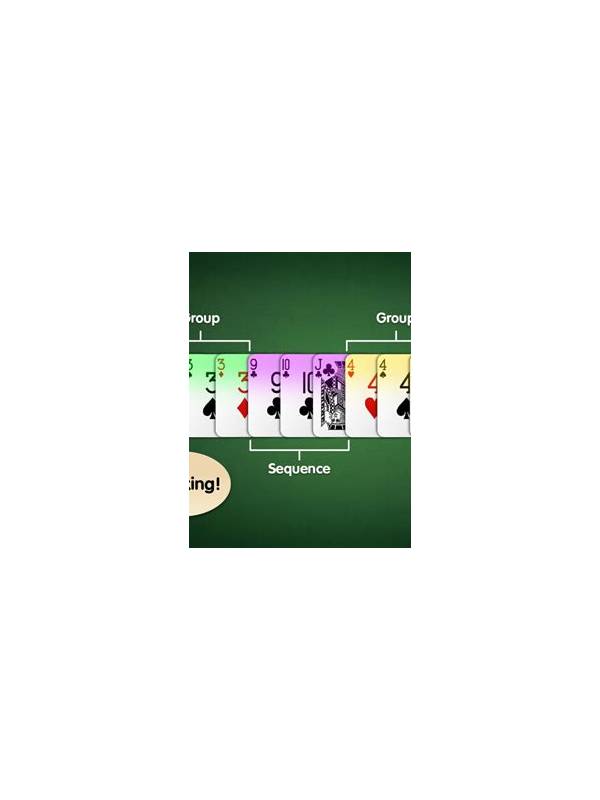
A promising sequence can break when an expected card fails to arrive or when a new draw changes the best arrangement. The common reaction is to keep every card connected to the old idea. That attachment can leave a hand crowded with near-matches. A better response is to rebuild the hand from its current evidence rather than trying to rescue the original picture at any cost.
Begin by isolating the broken sequence. Place the connected cards together and identify the exact gap or gaps. Then ask how many natural cards could repair it. A short run with an open end may have several possible repairs, while a middle gap can be narrower. If the required card is already visible in a discard pile or if the route needs multiple precise draws, label the sequence as restricted instead of calling it promising.
Next, remove emotional labels such as “almost complete” or “too good to throw away.” Sort the cards into three groups: confirmed groups, workable fragments, and loose cards. A confirmed group follows the format’s requirements and does not depend on a future card. A workable fragment has more than one reasonable continuation. Loose cards have no current role. This neutral inventory often reveals that one card from the broken sequence can support a completely different plan.
Choose a rebuild point. Keep the strongest confirmed group, then select only one or two fragments to develop. Do not carry every fragment forward simply because it was part of the first plan. If a high-value loose card is difficult to place, compare its cost with the cost of protecting the broken sequence. The safest-looking choice can be poor if it prevents the rest of the hand from becoming coherent.
Use the next turn to gather information, not to prove that the old sequence was correct. A draw that improves a new fragment is evidence for the rebuild. A discard that makes the old route even narrower is evidence to move on. Set a small deadline, such as one more meaningful draw, for a restricted sequence. Deadlines keep one attractive pattern from consuming the entire hand.
Finally, check the declaration requirements again. A repaired-looking hand may still lack a required pure sequence or contain an invalid grouping. Rebuilding is successful when the hand has fewer unresolved jobs and a clear legal path, not merely when two cards sit next to each other. Treat a broken sequence as information: it shows which route became expensive and gives you a reason to choose a better-supported plan.