Rummy Safety: Keep Practice Stakes Clearly Separate From Play Money
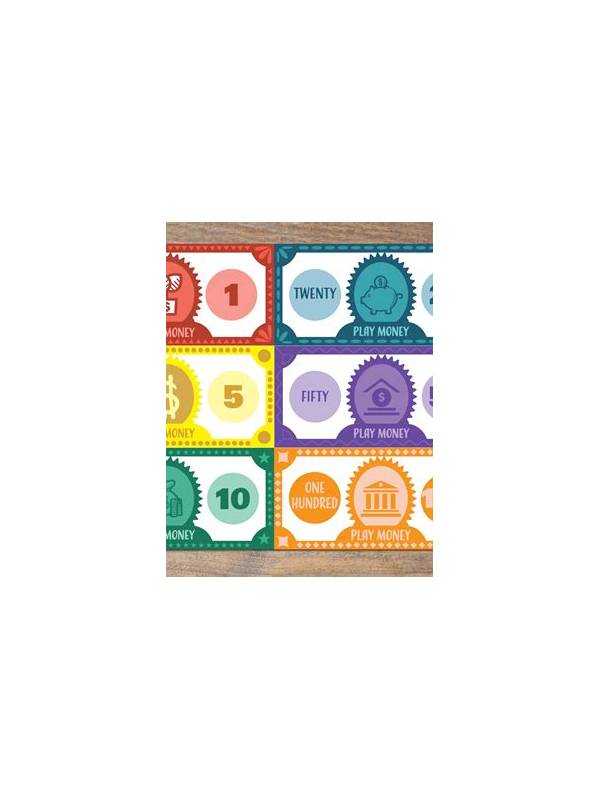
Practice and money-based play can feel similar because the cards and decisions may be familiar. The financial consequences are different, however, so keeping the two activities clearly separate is a useful safety habit. A simple boundary helps you evaluate skill without allowing a practice mood to push you into an unplanned deposit.
Start by labeling the session before you begin. Decide whether it is free practice, a social game, or play involving money. Read the platform’s current rules and local requirements before using any paid feature. Do not assume that a familiar mode has the same entry conditions, withdrawal rules, or age requirements as another mode.
Set a budget only for money-based play, and treat it as entertainment spending rather than income. The amount should be affordable to lose without affecting food, housing, bills, savings, or obligations. Keep the limit in a place you can review before joining a table. If a platform offers deposit, loss, time, or self-exclusion controls, learn how they work before you need them.
During free practice, avoid “winning back” language. A training result is not a debt and does not justify moving into a paid table. Likewise, a good practice run is not proof that a financial outcome is likely. Use practice to learn sorting, counting, and review habits; judge money-based play by whether it stays within your pre-set limits.
Watch for boundary warnings. Urgency, repeated deposits, hiding activity from someone you trust, or using money reserved for necessities are reasons to stop. Closing the app and taking a real break is more useful than trying to solve the feeling with another hand. If gambling or gaming is becoming difficult to control, contact a qualified local support service or a trusted person.
Keep payment credentials private and use only official account controls. Never share one-time codes or allow another person to operate your account. Clear boundaries protect both your finances and your learning process. The goal is to make every session a deliberate choice, with the level of risk understood before the first draw.
It can help to use separate mental and practical routines for each type of activity. A free practice session can end with a review note, while a paid session should end with a limit and account check. Do not convert a practice score into a claim about expected earnings. Skill development and financial decisions deserve separate evidence, separate limits, and separate moments of reflection.