How to Compare Two Rummy Draws by Flexibility
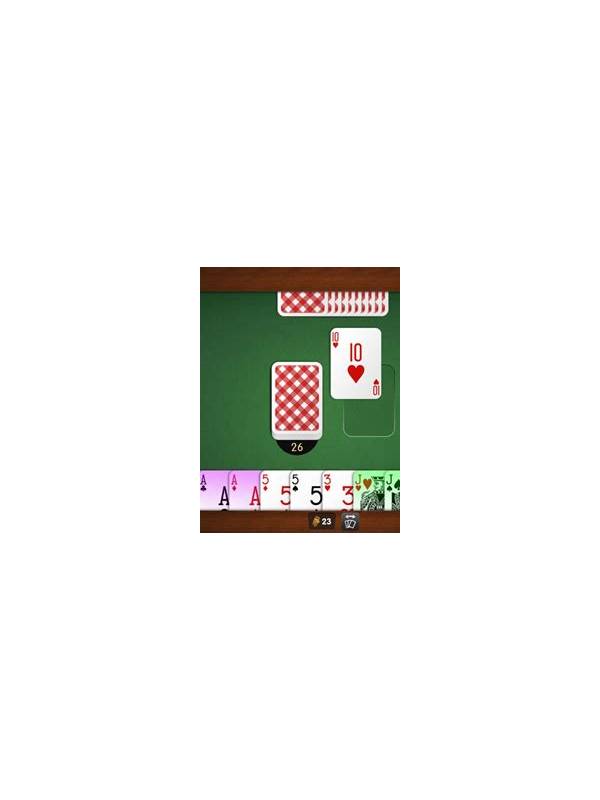
Choosing between a blind draw and a visible discard is easier when you compare flexibility rather than excitement. The most attractive card is not always the one that completes the plan you imagined. A flexible draw can improve several arrangements, while a narrow draw may help only one idea and leave you stranded if it fails.
List the jobs each candidate card could do. A card may extend a sequence on either side, join a set, or preserve a pair that could develop later. Count these roles separately, but do not double-count identical outcomes. The goal is to see how many reasonable improvements the card creates in your current hand.
Then check what you must throw away after taking it. A draw is less flexible when it forces you to break a useful group, hold a high-value card, or keep two plans that compete for the same space. Compare the entire resulting hand, not just the new card. Sometimes a modest card produces a cleaner structure than a flashy card that leaves three unrelated pieces behind.
The discard pile adds a second question: what information does taking the visible card reveal? Picking a card openly may tell opponents that a particular rank or suit matters. That disclosure is not always a reason to avoid the card, but it belongs in the comparison. A blind draw may preserve uncertainty, while a visible draw may provide immediate value.
Use a three-part score for a quick decision. Give each option one mark for immediate improvement, one for the number of future connections, and one for low risk if the plan fails. If the scores tie, prefer the option that lowers your point exposure or leaves more ways to reorganize. This keeps the tie-breaker practical rather than emotional.
Do not treat flexibility as endless patience. A hand can become too flexible when it contains many pairs and no confirmed structure. Set a time limit for keeping speculative options. After a few turns, prioritize a plan that can be completed with realistic draws. Flexibility is valuable because it buys time for a decision, not because it excuses avoiding one.
Practice this comparison away from a live table. Deal a sample hand, identify two possible draws, and write the resulting discard for each. Review which option leaves more legal groupings and fewer expensive leftovers. With repetition, you will start seeing flexibility as a property of the whole hand rather than a compliment attached to one card.