
Rummy Comparison: Card Density Versus Card Diversity
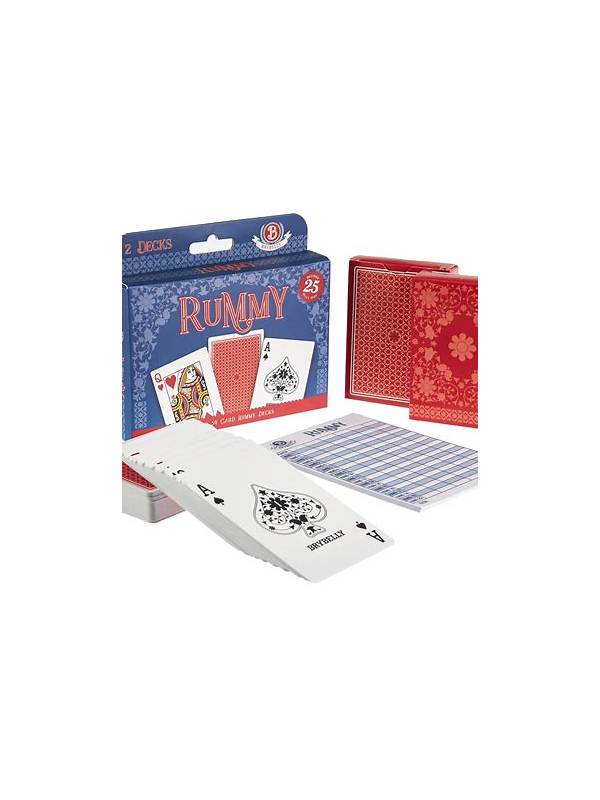
Two opening hands can have the same number of connected cards and still behave very differently. One may have card density: several cards concentrated in one rank range or suit. The other may have card diversity: useful links spread across multiple possible groups. Neither quality is always superior. The better choice depends on the rules, the required melds, and how quickly the hand must become stable.
Density is easy to see. Four cards in neighboring ranks may support one or more sequences, while three cards of a rank may suggest a set. The benefit is visual clarity and the possibility of completing a group with fewer changes. The risk is concentration. If the missing cards are unavailable or the group consumes a card needed elsewhere, the whole plan can stall together.
Diversity means different kinds of potential are present. A pair, a middle connector, and a flexible card may offer several routes. This can protect the hand from a single failed draw. The cost is mental load: too many routes can make every discard feel premature. Diversity is useful only when you can rank its options instead of keeping everything indefinitely.
To compare the two, list the strongest two routes in each hand. Count missing cards, estimate the cost of abandoning the route, and identify the best fallback. Then ask which hand can make a legal improvement with an ordinary draw. Do not use raw card count as the only measure. A dense group with one exact gap may be weaker than a diverse hand with two modest improvements.
As a practical rule, protect density when it already contains a confirmed structure or several flexible links. Protect diversity when the dense route is narrow, expensive, or dependent on overlapping cards. Recheck after every meaningful draw because a single card can turn diversity into density or break a crowded plan apart. The comparison is not about labeling one style as best; it is about seeing what kind of uncertainty your current hand can tolerate.
For learning, record whether a hand began dense or diverse and what changed after two draws. You may notice that dense hands need an early check for blocked cards, while diverse hands need a limit on how many options you preserve. Keep the observation descriptive rather than universal. Turn order, format, and the open pile can change the result. The comparison is most useful when it helps you notice those conditions.


