Rummy Comparison: Card Order Versus Card Function
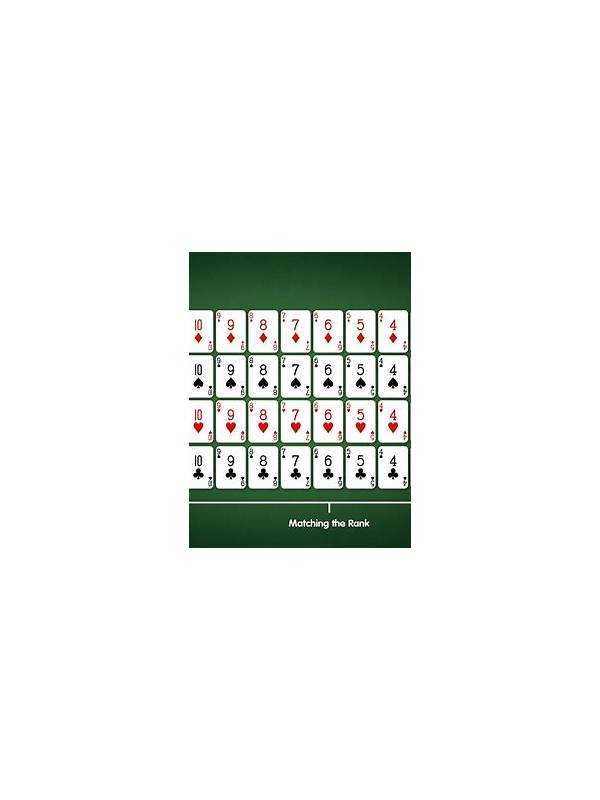
Many players first arrange cards by rank or suit. That order is easy to scan, but it does not always show the decisions inside the hand. A functional layout groups cards by what they currently do: completed, extending, bridging, protecting, or carrying a penalty. Comparing the two layouts can reveal why a hand feels confusing.
Rank-and-suit order is useful for spotting sequences and sets. It also helps verify that no card has been overlooked. Keep that benefit. The problem appears when the visual order becomes the only explanation of the hand. Two adjacent cards may not belong to the same credible route, while two distant cards may be a valuable pair of alternatives.
A functional layout starts with secure groups. Place partial groups beside the cards that support them, then separate bridge cards that serve more than one plan. Put isolated or expensive cards in a visible problem area. Finally, mark cards that protect flexibility even when they are not close to completing anything. This arrangement shows where one discard would change several routes.
Use the layouts for different questions. Ask rank-and-suit order whether a card fits a legal group. Ask functional order whether the card is essential, replaceable, or merely hopeful. If the answers conflict, investigate rather than choosing based on appearance. A card can be legally useful and strategically replaceable at the same time.
Switching layouts does not require physically moving cards during a live game. You can practice by imagining the functional categories or using brief notes after the hand. The goal is to train your eye to see roles, not to create a complicated table arrangement that slows play.
After the hand, note which layout would have made the critical decision easier. If order helped you spot a direct completion, keep using it for that task. If function exposed a redundant bridge or costly isolated card, use it for discard review. Strong play often comes from asking the right layout to answer the right question.
The function of a card can change without its printed identity changing. A discard can remove the only support for one route, while a new card can turn an isolated piece into a bridge. Reclassify the affected cards after important actions. You do not need to rebuild the entire hand; update the roles that changed. This keeps the functional view accurate without adding unnecessary work to every turn or every card.