Rummy Comparison: Fixed Plans Versus Flexible Plans
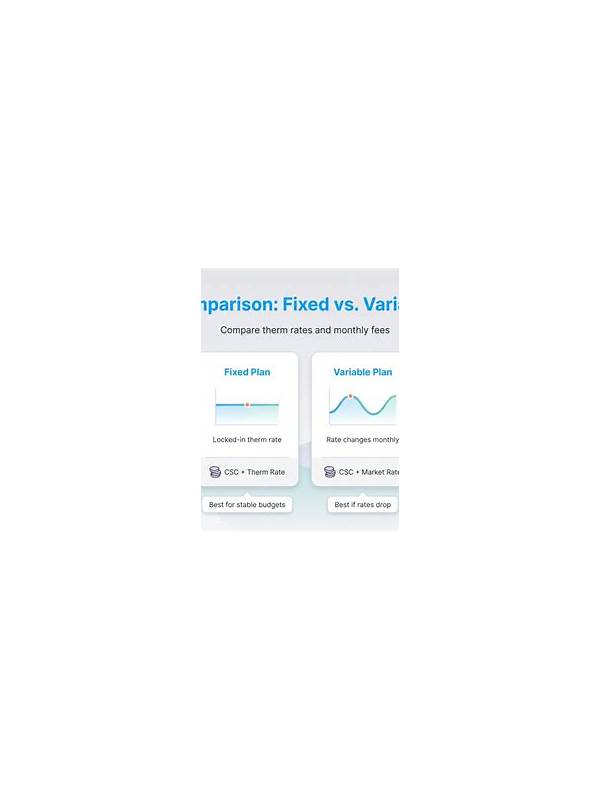
A fixed plan says, “I am building this exact sequence.” A flexible plan says, “I am keeping two or more routes open until the cards provide better evidence.” Neither approach wins every hand. The useful comparison is how each handles uncertainty, time, and the cost of holding unsuitable cards.
Fixed plans are easy to execute. Once you hold two connected cards and draw the third, the group is clear. This reduces mental load and can help a beginner arrange the hand. Fixed commitment is especially useful for a pure sequence or another structure that satisfies a rule requirement. The danger is continuing to protect a plan after its supporting cards have disappeared.
Flexible plans preserve options. A card that can connect in two directions, or a joker that can serve more than one group, may be worth holding while the hand develops. Flexibility helps when the early cards are scattered and the discard information is limited. Its cost is indecision: keeping every possibility can leave you carrying too many points and no finished structure.
Compare the plans with a deadline. At the start, allow a promising route a few draws. After that, ask what evidence has arrived. Have you gained a card that completes or strengthens the route? Have other cards become more attractive? If nothing has improved, release the weakest commitment. A deadline turns flexibility into a method instead of an excuse to postpone.
Use different standards for different groups. A nearly complete pure sequence can deserve protection even when a speculative set is released. A pair made from high cards should need stronger evidence than a low-card connector because the cost of delay is different. This is not a fixed ranking for all hands; it is a reminder to compare both probability and penalty.
In practice, strong play often alternates between the two styles. Commit when a structure becomes credible, then reopen the comparison when new information changes the hand. The goal is not to be permanently flexible or permanently decisive. It is to know why you are committing, what would change your mind, and when the cost of waiting exceeds the value of another option.
One practical test is to explain the plan to an imaginary partner in ten seconds. Say which group is fixed, which group is being explored, and what card would make you change course. If the explanation contains only hopes, the plan is probably too rigid or too vague. This test is useful during practice because it trains concise reasoning without requiring you to predict another player’s hand.