Rummy Comparison: Narrow Draws Versus Broad Draws
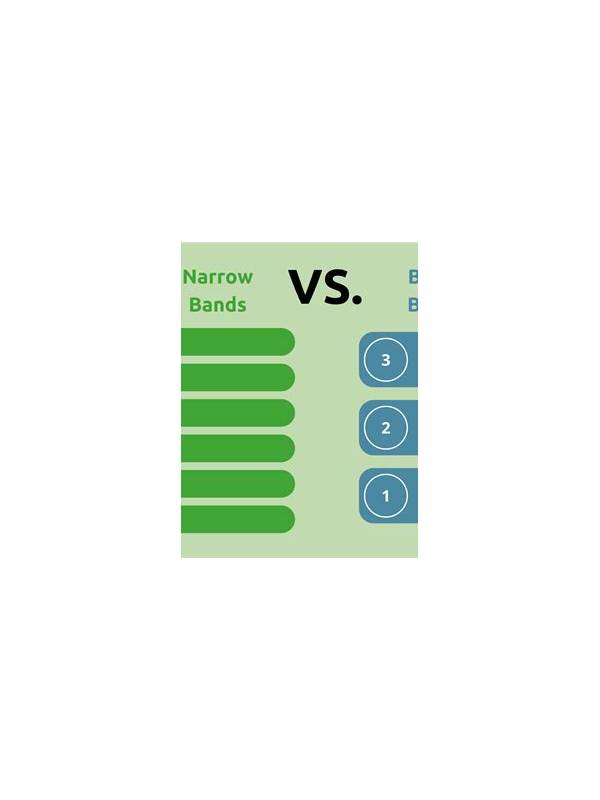
A narrow draw helps only one specific route. A broad draw can improve several routes or preserve a fallback. Narrow draws sometimes complete a hand quickly, but they also create dependence on one card. Comparing these shapes is useful whenever a tempting near-combination competes with a less exciting flexible structure.
Begin by listing the exact improvement for the narrow route. If only one rank or suit completes it, mark the dependence clearly. Then list the different improvements that would help the broad route. Do not count every imaginable card; include only cards that create a legal, practical group.
Next, compare what happens when neither route improves. A narrow route may leave several high-value cards trapped together. A broad route may still allow a reasonable discard and a new plan. This fallback behavior is often more important than the best-case completion speed.
Timing matters. Early in a hand, a narrow route can be worth observing because many cards are unknown. Later, the same route may be weak if its needed card has appeared or if the remaining hand has become expensive. A broad route can retain value longer because it depends on fewer exact events.
Do not treat broad as automatically better. A route with too many possible directions can also create indecision. Give it a priority and a deadline. If no useful improvement appears by that point, release the least helpful part and simplify the hand.
Practice the comparison using ordinary, non-stakes examples. For each choice, write the narrow target, the broad targets, and the cost of failure. Later, check whether your decision was based on actual possibilities rather than on how satisfying one completion would feel.
The practical conclusion is to compare both the top outcome and the fallback outcome. Narrow draws offer speed with dependence; broad draws offer resilience with less drama. Knowing which quality the current hand needs helps you choose deliberately instead of following the most attractive pattern.
Remember that a broad draw is not permission to keep every connector. Select the few cards that support the strongest broad route and release the rest when they have no independent job. Otherwise “flexibility” becomes clutter. The comparison works only when both routes are manageable and judged by what they leave behind after an unsuccessful draw.
Use a small written table when practicing: route, exact help, broad help, and fallback. This makes the difference visible without pretending to calculate exact odds. When the narrow route has one attractive completion but the broad route has several modest improvements, decide which kind of risk the hand can comfortably carry. Revisit that choice after new public information appears.