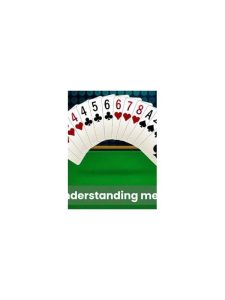
Rummy Comparison: Open-Ended Runs Versus Inside Gaps
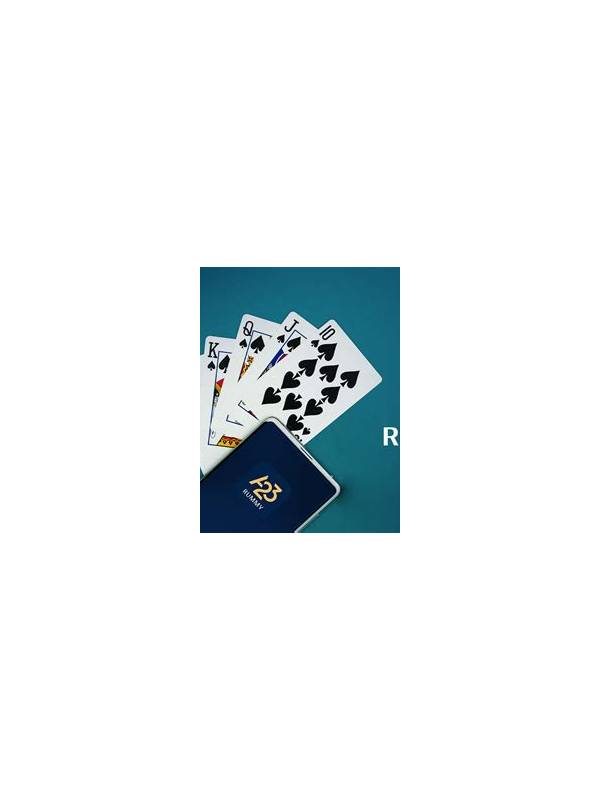
Open-ended runs and inside-gap runs are often compared as if one is always better. The real difference is the number and quality of ways each route can improve. An open-ended run has two ends that can usually be extended. An inside gap needs a particular rank to connect its pieces, so it is narrower but not automatically bad.
Start with the number of useful cards. A three-card run such as 6-7-8 may accept a 5 or 9, depending on the rules and suit. A 6-8 structure needs a 7, which is a single rank in that suit. The open-ended option has more obvious routes, but the inside gap may already sit beside a strong pair or combine with another plan. Count the actual missing cards, not just the label.
Next, inspect exposure. If several cards that would complete the inside gap are already visible in discards or melds, the route is fragile. If the needed card remains unseen and your hand has no better use for the surrounding cards, holding it briefly may be sensible. The same shape can therefore change value during the hand.
Compare the discard cost as well. To keep an open-ended run, you may need to hold two cards that are both medium-value and difficult to place elsewhere. To keep an inside gap, you may be able to discard a high card immediately while waiting. Lower exposure can matter more than raw flexibility when a hand is close to ending.
Use a quick table in your notes: route, useful cards, visible blockers, alternative jobs, and discard cost. A route with four useful cards but no alternative may be less attractive than one with two useful cards and a strong fallback. This keeps the analysis connected to the whole hand.
Do not overvalue open ends. A card at an open end can still become stranded when the hand changes, and two open ends may tempt you to hold too many cards. Conversely, do not romanticize the inside gap simply because it appears close. A single missing card is still a single dependency.
The practical rule is to prefer the route with better total resilience: more useful improvements, fewer blocked copies, lower holding cost, and at least one backup role for its cards. Recheck that comparison after each visible change. Good rummy decisions come from comparing routes in context, not memorizing a universal ranking.
The comparison is also useful when both routes are imperfect. You do not need a risk-free structure; you need to recognize which weakness is easier to repair. A narrow gap with a safe discard may be acceptable briefly, while a broad run that forces expensive cards may need immediate attention.