Rummy FAQ: How Much Should a Single Loss Teach You?
A single loss should teach you to inspect a decision, not to rewrite your whole approach. Rummy contains uncertainty, and an ordinary result can follow a sound choice. The useful lesson depends on separating process from outcome.
Start by asking whether a rule or safety issue was involved. If you misunderstood the variant, exceeded a personal limit, or made a rushed decision while distracted, the corrective action may be clear. Fix the process before analyzing strategy. If no such issue occurred, examine the round with more restraint.
Identify one turning point and compare the options available then. Did you choose a group with stronger evidence? Did a visible card weaken your route? Was there a lower-risk discard? Describe the alternatives without claiming that one would definitely have won. A counterfactual is a tool for learning, not a guarantee.
Consider the sample. A single result cannot distinguish skill from deal quality, opponent choices, or unusual timing. Even a series of results can be noisy when the rules or stakes change. Keep the format, session length, and decision question consistent if you want a meaningful comparison later.
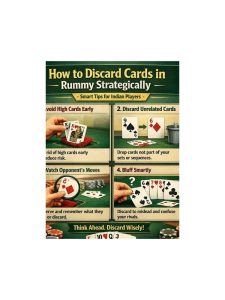
Choose one small adjustment for the next few sessions. You might check completion requirements before declaring, release an isolated high card sooner, or pause before a discard that changes your plan. Track whether you followed the adjustment rather than whether it immediately produced wins. A process that improves may take time to affect outcomes.
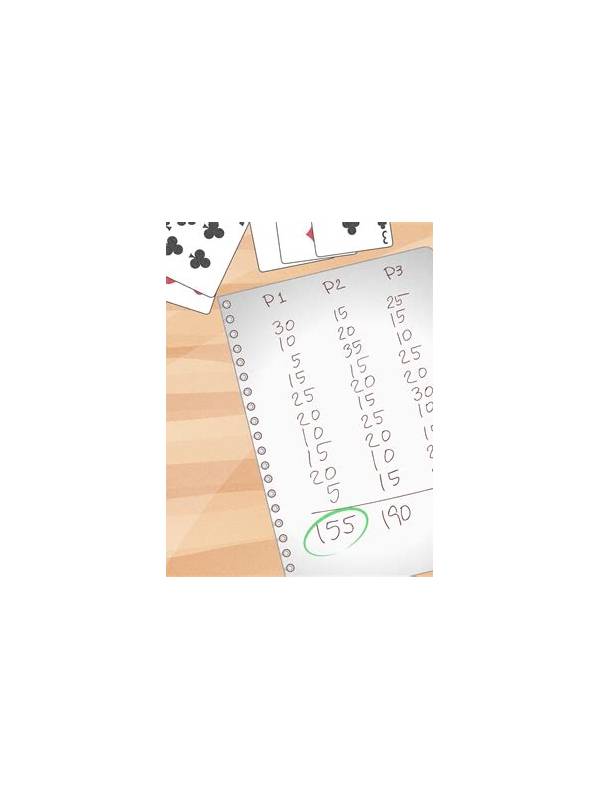
Also notice emotional reactions. If one loss creates an urge to chase, increase stakes, or continue past your stop time, end the session and use your safety rule. Learning from a loss includes protecting your future decisions. Treat the result as evidence for a focused question, then gather more observations before reaching a broad conclusion. If the same mistake appears repeatedly, collect several examples before changing your general strategy. Compare the decisions, not only the final scores. You may discover that the common issue is timing, fatigue, or a misunderstood rule rather than the card choice itself. A measured response turns disappointment into a practical experiment.
Keep the experiment modest and review it at a scheduled point. This prevents one encouraging result from becoming an untested belief and gives you a fair chance to notice whether the adjustment really changes your process.
If the adjustment helps, keep testing it across ordinary conditions. If it does not, return to the notes and ask whether the problem was implementation, timing, or an assumption that needs replacing rather than simply adding another rule.