Rummy FAQ: What Is a Recovery Plan After a Bad Draw?
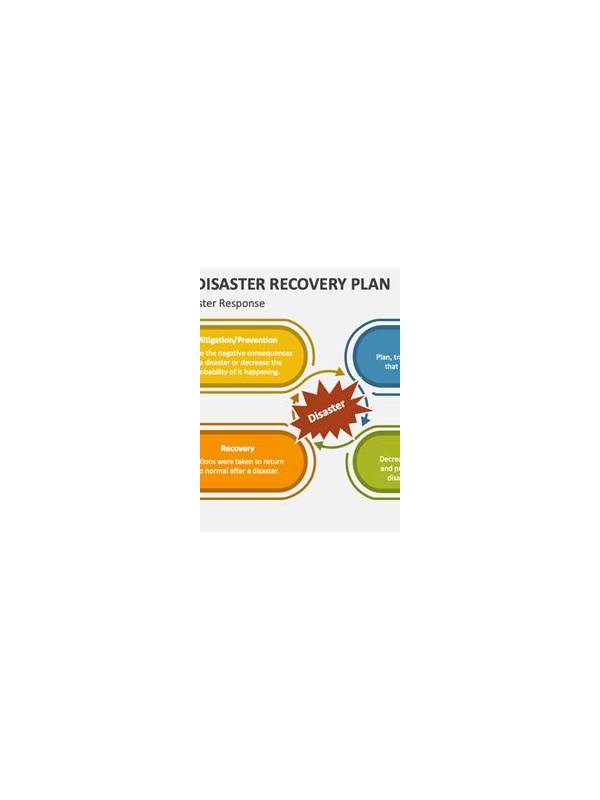
A bad draw is any draw that does not improve the route you were considering, but it does not automatically decide the hand. A recovery plan is a small set of questions that helps you reassess without chasing the missing card or making a rushed discard.
Start by separating the event from the story. The event may be “the needed connector did not arrive.” The story may be “the hand is now hopeless.” Keep those statements apart. The first is known; the second is a judgement that should be tested against the rest of the hand.
Next, identify what remains useful. Look for a completed group, a pair with a reasonable connection, or a low-cost card that can be released. Count the unfinished groups and note which one requires the fewest additional cards. You do not need exact odds to compare one-step repair with a route that still needs several unrelated pieces.
Then choose one route to test and one fallback route to preserve. The test route is the best current improvement, not a promise. The fallback prevents the hand from becoming dependent on one narrow draw. If the test route produces no evidence after a defined number of turns, switch deliberately rather than waiting because you have already invested time.
A recovery plan also includes a discard check. Ask whether the candidate release has a current job, whether it carries unnecessary points, and whether you are keeping it only because it was part of the old plan. Do not release a card merely to express frustration. Every discard should make the new arrangement easier to read.
After the hand, record the trigger that caused the recovery. Was it one failed draw, new public information, or a mistake in your original grouping? This distinction matters. A failed draw calls for patience; a misread grouping calls for a rules or checking lesson.
Recovery is not a special form of optimism. It is the practice of replacing a broken assumption with a smaller, testable plan. That keeps one disappointing card from controlling the rest of the decision process.
If several draws fail and your attention becomes urgent, the correct recovery may be to stop after the hand. A plan cannot repair fatigue or pressure. Record the state briefly, take a break, and return only when you can compare routes without trying to force the deck to cooperate.
The recovery plan can include a practical stop point: after two more turns, after one new public clue, or at the end of the hand. Choose the trigger before continuing. A defined review point prevents an uncertain route from expanding indefinitely.