Rummy FAQ: What Is a Dead Card in a Hand?
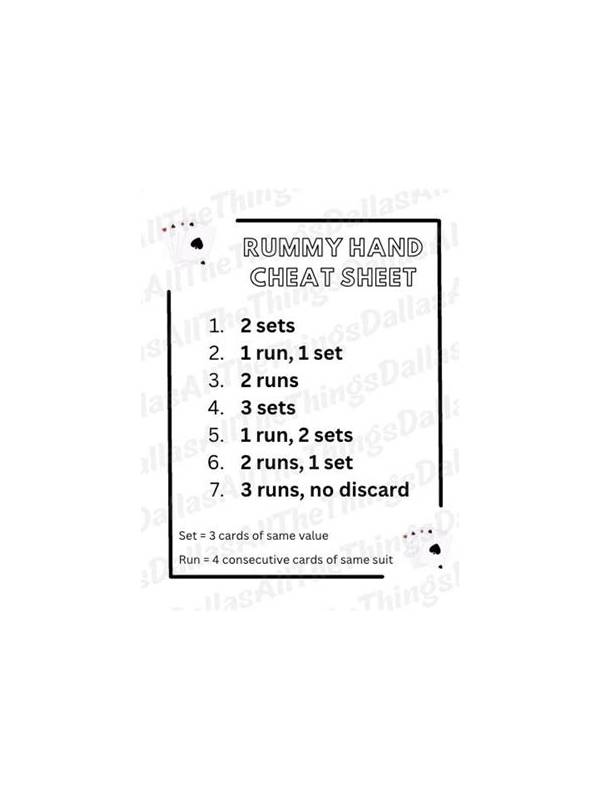
A dead card is a card that currently has no useful or realistic role in your hand. It may be isolated, duplicated without a clear group, or linked to a route that requires too many exact cards. The term is practical rather than absolute. A card that looks dead now can become useful after one draw, while a promising card can become dead when its supporting cards disappear.
To identify one, inspect each card by function. Ask whether it belongs to a completed sequence, a nearly complete sequence, a group, or a reasonable backup route. If the answer is no, mark it as loose. Then ask how many specific cards would be needed before it became useful and how many turns remain. A loose card needing one connector may be playable; one needing a long chain is usually a weak investment.
Do not confuse a high-value card with a dead card. A ten, jack, queen, or king can be perfectly useful in a sequence. Its penalty matters when it remains ungrouped, but rank alone does not decide its status. Likewise, a low card is not automatically safe. A low card that gives an opponent a likely connection may still be a poor discard.
Dead-card analysis helps with discards because it forces a comparison. Choose between the card with the fewest realistic routes, the card carrying the highest penalty, and the card that reveals the least useful information to opponents. The best discard may not be the most expensive one if it is part of your strongest live plan.
Jokers and wild cards require special care. They can make a weak-looking group useful, but they do not rescue every arrangement. Verify the rules for the format and ask whether the joker is doing important work. Releasing a natural card while keeping a flexible wild card may preserve more options, but only if the resulting structures remain legal.
After the hand, compare your labels with the cards that actually arrived. Did a supposedly dead card become useful quickly? If so, perhaps you discarded it too early in similar situations. Did a “live” card never connect because its route was too narrow? Refine the definition. The purpose of the label is not to predict perfectly; it is to reduce attachment to cards whose practical value has fallen.