Rummy FAQ: When Is a Joker Better as Flexibility?
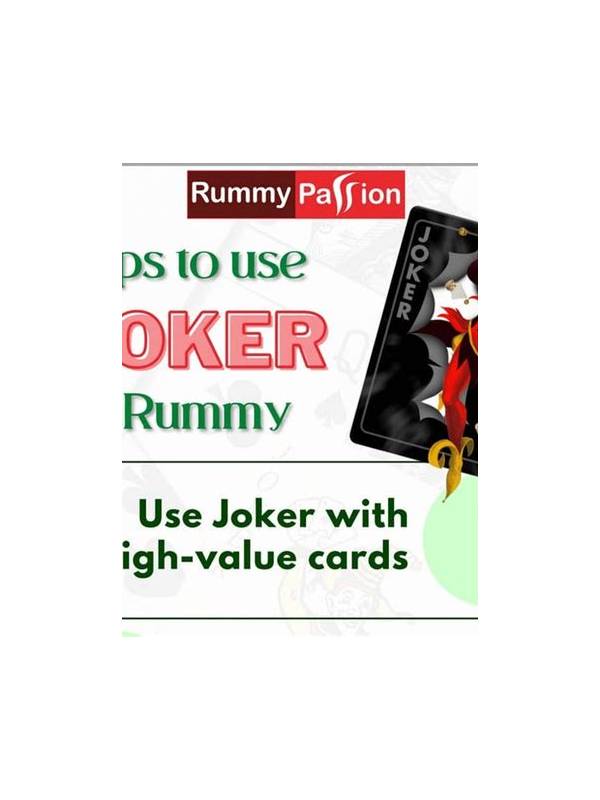
A joker can complete a group immediately, yet immediate completion is not always its best use. Sometimes the joker’s greatest value is keeping two routes alive while you wait for better information. The right choice depends on whether it solves a structural problem or merely makes an attractive arrangement look finished.
First identify the group the joker would complete. Is the resulting sequence or set valid, stable, and useful to the rest of the hand? If the group still leaves several unrelated high-point cards, the joker may be covering a weak plan. If it creates an essential sequence and allows the remaining cards to organize cleanly, using it may be justified.
Then compare the alternative. What other card could the joker replace later? Does it protect a narrow sequence, connect two routes, or reduce a costly singleton? Flexibility has real value when the hand is early and uncertain. It has less value when the hand is late and a confirmed legal structure is urgently needed.
Consider dependence. A hand that uses a joker to paper over several missing connections may be harder to evaluate and could become vulnerable if the rules limit substitutions. Keep the group assignment clear, and check the applicable rules before assuming a joker can serve a particular role.
Use a review trigger if you keep the joker flexible. For example, reassess it when a specific connecting card appears, when a fallback route disappears, or when the remaining hand becomes expensive. Flexibility without a review point can turn into indefinite hesitation.
There is no universal answer to “use it now or wait.” Ask which choice creates the clearest legal structure with the lowest future repair cost. A joker is valuable because it expands choices, but a good decision uses that flexibility when it improves the whole hand rather than when it simply feels satisfying to complete one group.
Keep the joker’s assignment mentally clear if you wait. Record which route it currently protects and what card would replace it. If you cannot explain either point, the joker may be floating without a useful purpose. Clarity lets you use it confidently when the correct structure appears and release a weaker plan when it does not. If the joker completes a group, inspect the cards left outside it immediately. A completed group can still be a poor bargain if it strands the remainder. The best joker use improves the entire arrangement, lowers repair cost, and leaves a clear next action rather than merely creating a satisfying visual block.