Rummy Guide: Turn a Loose Opening Hand Into Three Working Groups
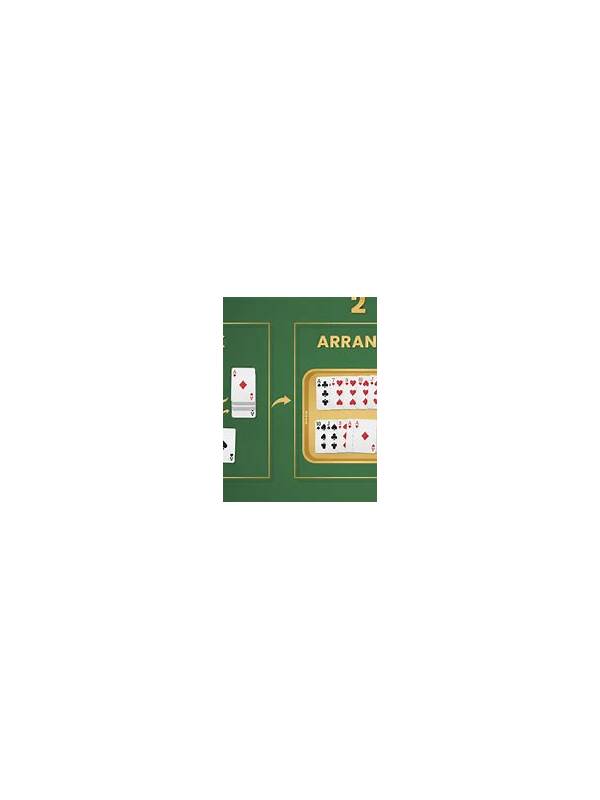
An opening hand does not need to look nearly complete before it becomes useful. In many rummy games, the first few cards only provide partial clues: a connected pair, a possible set, and several cards that seem unrelated. The goal is not to force an immediate declaration. It is to turn those loose clues into three working groups that can be reviewed after each draw.
Start by separating cards that already belong together from cards that are merely attractive. A same-suit connection, such as six and seven, has a direct relationship because one nearby card could extend it. Three cards of the same rank may suggest a set, but check whether the group is legal under the format you are playing. Everything else belongs in a temporary area rather than a permanent group.
Next, label the groups as strong, possible, or open. A strong group has at least one clear completion route. A possible group has two related cards but several competing uses. An open group is a single card that could connect in more than one direction. This language prevents a hopeful pair from receiving the same confidence as a nearly complete sequence.
Keep one spare card outside the groups. That spare is not automatically a discard. It is a comparison point. When a new card arrives, ask whether it improves a strong group, upgrades a possible group, or creates a better connection with the spare. If it does none of these, the new card may be less useful than its face value suggests.
Review the arrangement after every turn. A plan that began as two sequences and a set may become a sequence, a set, and a new pair. Rebuilding is normal. Avoid protecting a group only because you spent several turns considering it. The cards should earn their places through current connections.
This three-group method also makes review easier. After the hand, note which group improved first, which group absorbed the most speculative cards, and when you should have changed direction. The exercise is valuable even without money or a competitive table. It teaches you to distinguish visible structure from a story you are telling yourself about what might arrive.
One useful variation is to assign each group a next action. The strong group may be protected, the possible group may receive one more draw, and the open group may need a deadline. These actions keep the labels practical. If two groups compete for the same card, choose the one with the shorter route and record the other as a plan to release. This makes the hand easier to manage when the next turn arrives.