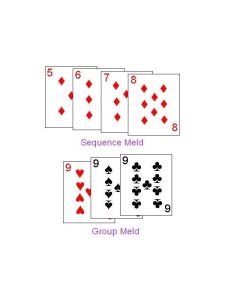
Rummy Guide: Use Suit Balance as a Tie-Breaker
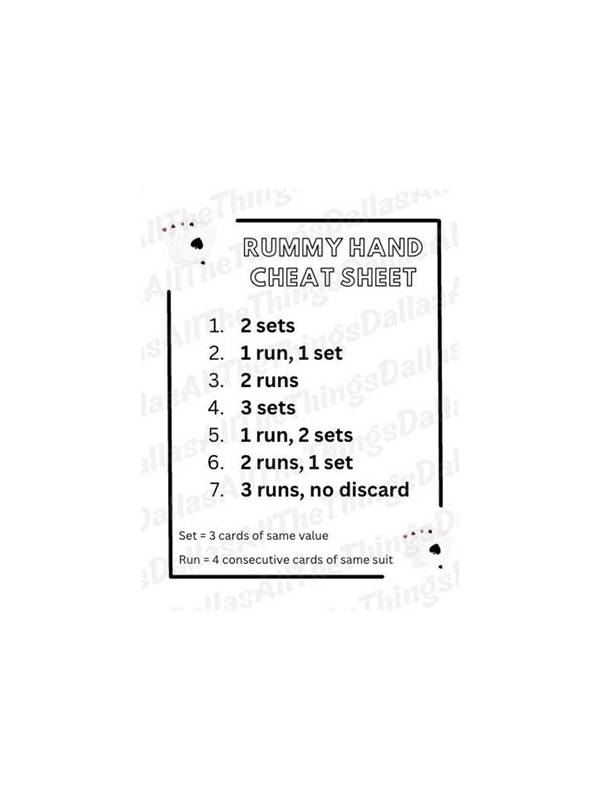
Suit balance is not a rule and it is not a shortcut to a winning hand. It is a way to describe how concentrated your possibilities are. When two candidate discards have similar value, looking at suit balance can reveal which choice leaves more workable connections.
First group the cards by suit and mark the cards that already belong to a valid or nearly valid route. A hand with many cards in one suit may offer sequence potential, but it may also be overcommitted if the ranks are far apart. A balanced hand may have more independent options, yet it can also contain too many unrelated cards. Count possible connections rather than simply counting suits.
Suppose one discard leaves three cards in a promising suit and another leaves two cards in each of two suits. Ask which arrangement has clearer next cards and fewer dependencies. The first is attractive if a short run is already forming. The second may be better if the three-card group needs one exact card while the split groups accept several alternatives.
Use suit balance only after checking required groups, joker use, and penalty exposure. A visually tidy spread can be strategically weak. Conversely, an uneven spread can be correct when it supports a valid sequence. Suit is a tie-breaker, not the primary objective.
During practice, write down the reason for your choice in one sentence: “I kept this suit because it has three live connectors,” or “I released this suit because its route needs two exact cards.” Later, check whether the stated reason was based on visible possibilities or on a vague preference for symmetry.
This method also helps with hand layout. Sort by suit temporarily to inspect connections, then sort by group when preparing to declare. Switching views can expose a missed route without forcing you to commit to it. The best balance is the one that preserves clear, realistic paths to completion. Be careful with the word balance because it can suggest that every suit should receive equal attention. Rummy does not reward visual symmetry by itself. A strong hand may be heavily concentrated when its cards form a legal route, while an evenly spread hand may be full of dead ends. Use balance to inspect alternatives, then return to connection quality, requirements, and penalty. If the tie remains genuine, prefer the arrangement that is easier to verify on the next turn. Clear verification is an advantage when the screen is busy or the timer is short.