Rummy Guide: Use Suit Distribution to Break a Close Choice
Suit distribution is a useful tie-breaker when two rummy plans appear equally attractive. It should not replace rule requirements or clear evidence, but it can show why one route leaves the hand less crowded. The goal is not to collect suits evenly. It is to understand how many meaningful connections each plan preserves.
Start by listing the cards in each candidate route. Mark the suits that are already represented and the ranks that could extend them. A sequence plan concentrated in one suit may be simple if its neighbors are plausible. A plan that spreads across several suits may offer more independent routes, but it may also contain unrelated cards. Distribution matters only in relation to connections.
Compare the unused cards after each plan. If one arrangement leaves several cards from the same promising suit, those cards may support a backup sequence. If it leaves isolated high cards across different suits, it may be harder to improve. Check whether a proposed set would free a suit connector or consume it. Look at the resulting hand, not just the group that is currently being considered.
Visible cards can refine the comparison. A discarded card may provide information about what is less attractive to chase, but it does not prove that every copy is unavailable. Keep the language modest: “this route has less visible support” is safer than “this route cannot happen.” Unknown cards remain unknown.
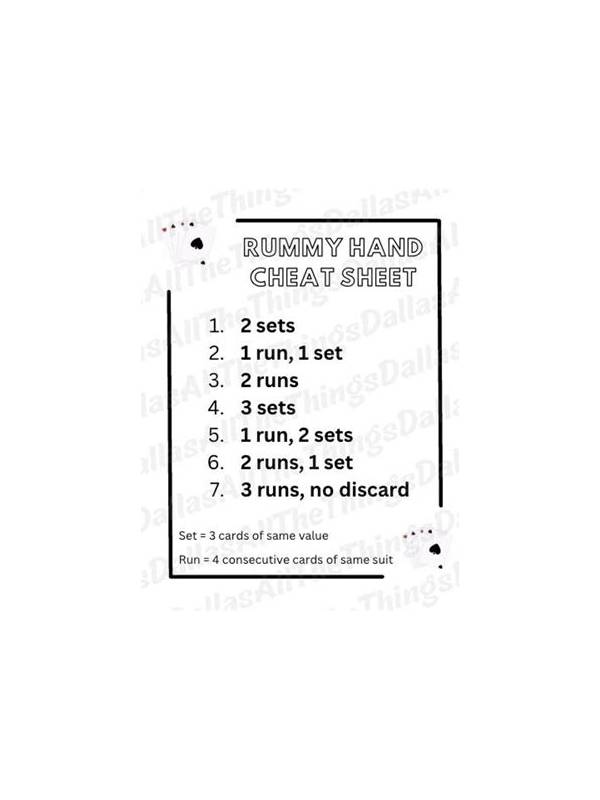
Use suit distribution as a tie-breaker after checking legality, replacement difficulty, and point exposure. If one plan satisfies a required natural sequence while the other merely offers a neat set, the requirement wins. If both are legal and similarly flexible, choose the route that leaves a clearer second job for the remaining cards.
Practice with hands that contain two plausible layouts. Before drawing, write which route you prefer and why. After a few turns, compare the information gained rather than only the final result. You may find that your first preference was sound even when the other route received a favorable draw.
Suit distribution is a lens, not a formula. Used carefully, it breaks ties without encouraging tunnel vision. It helps you ask whether the whole hand remains connected after one attractive group is selected.
If the distribution points one way but the rules point another, follow the rules. A tie-breaker is useful only after the non-negotiable constraints have been checked.
This order keeps a convenient pattern from overriding a required natural structure.