Rummy How-To: Audit a Hand Before Making a Declaration
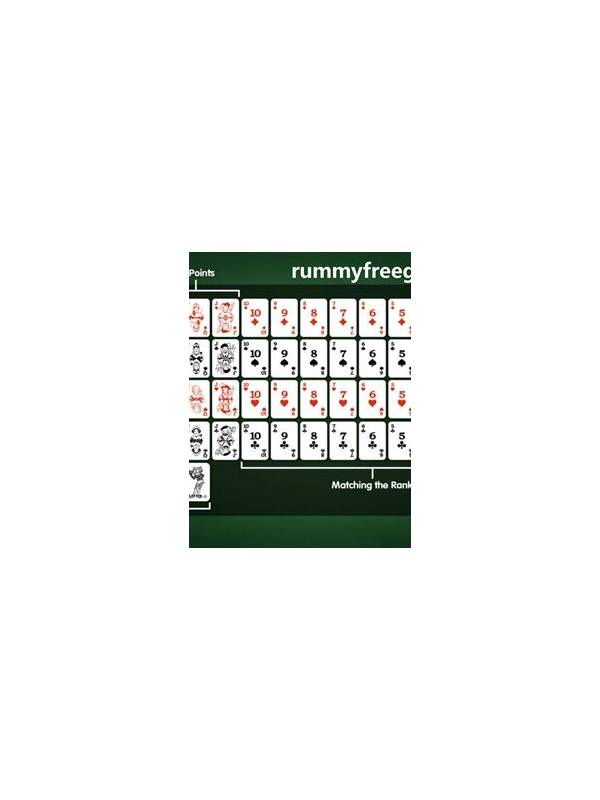
A declaration should follow an audit, not a rush of excitement. The exact rules vary by format, so use the platform’s stated requirements, but the general process is consistent: inspect every card, verify every group, and check that the whole hand is covered. A short audit can prevent an avoidable invalid declaration.
Make the audit a habit even when the layout looks obvious. Familiar hands are precisely where players can skip a condition because they recognize the general pattern too quickly.
Freeze the proposed layout
First, stop rearranging cards for a moment. Put the proposed groups in a clear order and leave no card floating between groups. If one card appears to serve two groups, choose one use and inspect what that choice leaves behind. A fixed layout makes omissions easier to see.
Verify the required base
Many Indian rummy formats require at least one pure sequence, but requirements can differ. Check the current rules rather than relying on memory from another table. For a proposed pure sequence, verify that the cards share a suit and run in the required order without an unapproved wildcard substitution.
Check remaining groups
Inspect every other sequence and set separately. A sequence should follow suit and rank rules; a set should meet the required count and rank relationship. Confirm that a joker is being used in a way the format permits. Do not let a visually tidy arrangement substitute for a legal one.
Count every card once
Count the cards in each group and compare the total with your hand size. Every card must belong to exactly one group. This catches a common error: mentally using the same flexible card in two places. If the counts do not match, return to the ungrouped card rather than declaring.
Confirm the action
Finally, check that you have drawn and discarded according to the turn rules and that the declaration control is the intended action. If the interface is unfamiliar or the connection is unstable, take a breath before confirming. An audit is valuable because it replaces excitement with evidence. If any requirement remains uncertain, do not declare until you have checked the official table rules.
For learning, perform the same audit after a failed declaration or close miss. Mark the exact step that was skipped rather than labeling the whole hand unlucky. Repeating the checklist builds speed, and speed should come from familiarity with the process rather than from rushing through final confirmation.