Rummy How-To: Build a Decision Journal That Stays Brief
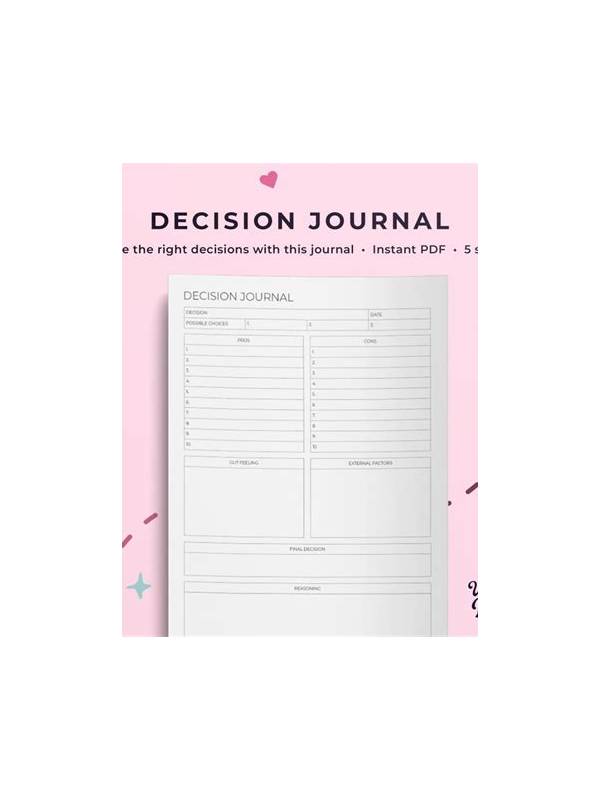
A decision journal is most useful when you will actually keep it. You do not need to record every draw, every opponent action, or a full reconstruction of the hand. A brief format can preserve the decisions that deserve another look.
Use four lines after a round. First, note the decision you made: for example, you kept a flexible pair instead of a high isolated card. Second, write the evidence available at that moment. Third, record the result without treating it as proof that the decision was right or wrong. Fourth, write one adjustment for a future hand.
The evidence line is the most important. It separates a reasonable decision from a lucky outcome. If the hand completed after you chose a narrow route, that does not automatically validate the route. If the route failed, that does not automatically make it foolish. Ask whether the information and risk were proportionate when the choice was made.
Keep categories consistent. You might label notes as discard choice, route change, timing, attention, or budget boundary. After several sessions, review the categories rather than rereading every entry. Repeated notes about missed mid-hand resets point to a practice target; isolated unlucky draws do not necessarily need a response.
Avoid turning the journal into self-criticism. Describe the action and the reasoning in neutral language. Replace “I played badly” with “I kept a pair after its only route became exact.” This phrasing gives you something specific to test next time.
The journal should take two or three minutes. If it becomes a second game, shorten it. The purpose is to make thinking visible, identify repeatable habits, and give your next practice session a narrow focus. A small record used consistently teaches more than a detailed record abandoned after one busy evening.
Review entries only at a planned time. Looking back immediately after a frustrating result can turn analysis into an attempt to argue with the outcome. The next day, sort notes into decisions, attention, and boundaries. This separation makes it easier to choose one technical exercise and one practical habit without carrying the entire session forward.
Keep identifying details out of the journal if the device is shared. Record the decision pattern, not account numbers, payment information, or private messages. A learning tool should also respect your privacy.