Rummy How-To: Build a Five-Second Hand Snapshot
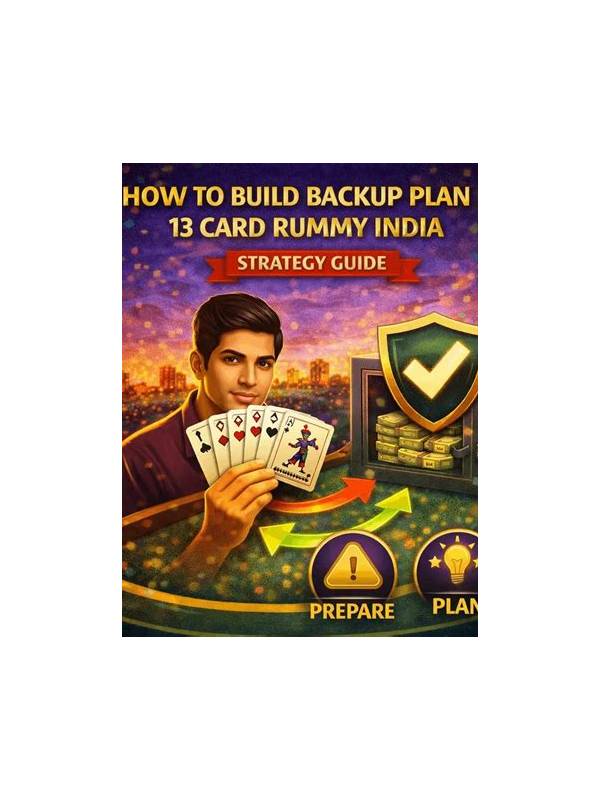
A hand snapshot is a short description you make before choosing a draw or discard. It is not a full calculation. Its purpose is to stop the latest card from becoming the only thing you see. A consistent five-second routine can keep decisions clear at a quick table.
Use the same order every time so the routine becomes automatic: groups, gap, loose-card cost, then candidate action. Consistency matters more than clever wording. If the interface is crowded or your vision needs support, arrange cards in a clear personal order before beginning, while respecting any platform rules about permitted aids.
Begin by identifying completed or nearly completed groups. Say them silently in plain language, such as “one solid sequence, one pair, three loose cards.” Next, identify the most important gap. Is a group missing one connecting rank, a second sequence, or a valid arrangement that meets the format’s requirements? Finally, name the loose card with the highest cost if it remains stranded.
Keep the snapshot short. If it takes longer than a few seconds, you are moving into analysis, which may be appropriate for a difficult turn but is not needed for every turn. The routine is valuable because it gives you the same starting point each time.
After the snapshot, compare the available choices against the stated problem. If the hand’s biggest issue is a high-point isolated card, a draw that only adds another speculative pair may not be useful. If the issue is a missing legal sequence, prioritize a choice that improves that requirement even if it does not create the prettiest group.
Update the snapshot whenever the hand changes shape. A joker, a visible draw, or the decision to break a group can change the main problem. Do not continue repeating yesterday’s description after the hand has moved on.
The snapshot can also improve review after a session. Write the description you had before a key decision, then compare it with what you missed. Perhaps you overlooked a completed group, treated a weak pair as a foundation, or failed to identify a costly loose card. That turns a vague feeling of error into a specific practice target.
The method is especially useful for new players because it separates observation from prediction. You first describe what is present, then decide what to do. No snapshot can guarantee a favorable draw, but it can reduce rushed choices and make the reasons for your decisions easier to understand.