Rummy How-To: Build a Simple Opponent Observation Note
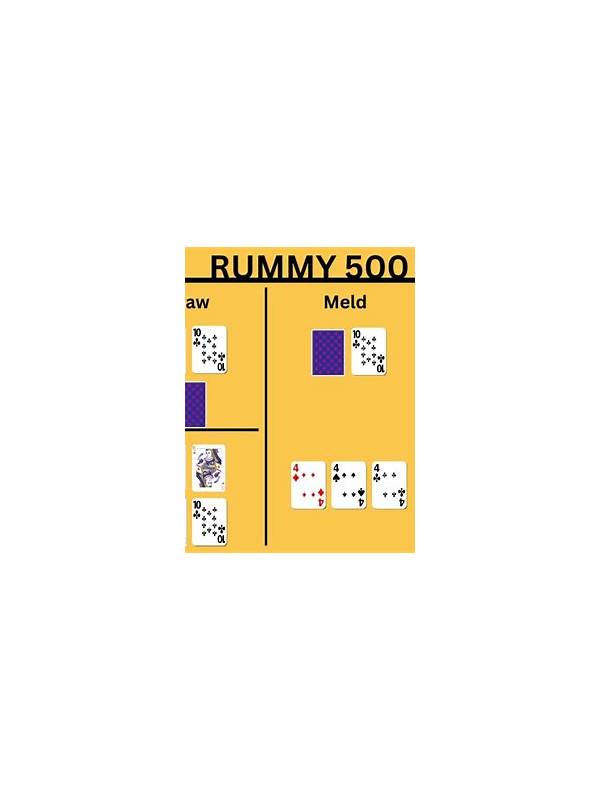
Opponent observation is most useful when it records facts rather than stories. You do not need a complex system. A short note about draws, discards, and timing can help you remember information that would otherwise disappear between turns.
Use three columns: visible action, possible meaning, and confidence. In the first column, write only what happened: “took a seven of clubs,” “discarded a queen,” or “passed on a visible connector.” In the second, list one or two reasonable interpretations, such as “may be building clubs” or “may have released a high card.” In the third, mark low, medium, or high confidence. Most interpretations should remain low confidence.
Avoid recording assumptions as facts. A player taking one card does not prove a complete plan, and a discard may be forced by a hand you cannot see. Observation should improve your own discard choices, not encourage certainty about another person’s hidden cards. If your note starts predicting motives, return to the visible action.
Use the note at decision points. Before discarding, ask whether your card is likely to offer a clear connection based on what has already been taken. If the card is especially informative or potentially useful, compare it with another discard. Do not refuse every card that might help someone; protecting your own hand remains important.
Keep the note short enough to maintain concentration. Three or four observations per round may be enough. At the end, summarize only the strongest evidence: cards repeatedly taken, a pattern of high-card releases, or a visible preference for a format. Clear the note when the deal ends so that a guess from one hand does not become a false rule for the next.
Review accuracy after play. Which observations were confirmed by later actions, and which were simply stories you invented? The point is not to become certain about opponents. It is to make your own choices more informed while respecting the limits of visible information. A factual observation note is a decision aid, not a mind-reading exercise.
If writing during a live game distracts you, keep the note mental and record it afterward. Accuracy is more valuable than volume. You can remember one strong signal, such as a card taken from the discard pile, without tracking every action. The observation habit should support concentration and enjoyment. When it becomes stressful or encourages suspicion, simplify it or stop using it for that session.